
Is Geothermal Energy Truly a Renewable Power Source?
Geothermal energy, the heat from the Earth, offers a compelling alternative to fossil fuels in our quest for sustainable power solutions. But is ittrulyrenewable? The short answer is generally yes, but the details matter. This comprehensive guide explores the depths of geothermal energy, examining its benefits, drawbacks, applications, and future, to determine its place in a greener world.
Understanding Geothermal Energy: Harnessing the Earth's Internal Heat
Geothermal energy originates from the Earth's core, a fiery furnace fueled by radioactive decay and residual heat from the planet's formation. This heat radiates outwards, warming the surrounding rock and, in some locations, superheating groundwater. The closer you get to volcanic activity, tectonic plate boundaries, and areas with thinner crust, the higher the geothermal gradient (the rate at which temperature increases with depth).
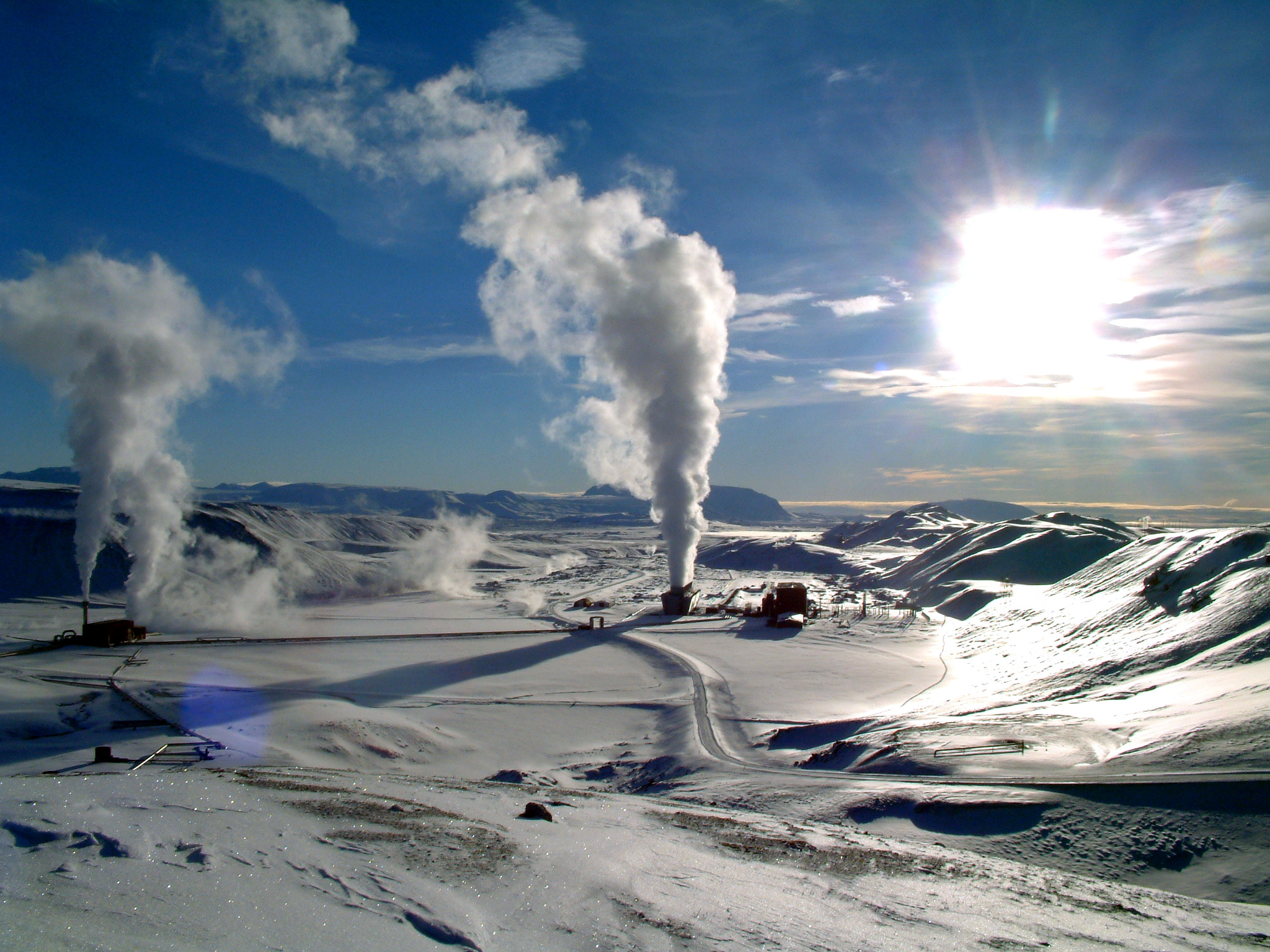
We can tap into this vast reservoir of underground energy sources in several ways: Geothermal Power Plants: These facilities drill deep wells into underground reservoirs of hot water or steam. This hydrothermal resource is then piped to the surface, where it spins turbines connected to generators, producing geothermal electricity. There are three main types of geothermal power plants: Dry Steam Plants: Utilize steam directly from the geothermal reservoir to turn turbines. These are the oldest and simplest type.
Flash Steam Plants: The most common type, these plants take high-pressure hot water and flash it into steam in a tank. This steam then drives the turbines.
Binary Cycle Plants: These plants use hot water to heat a secondary fluid with a lower boiling point. The vaporized secondary fluid then drives the turbines. This allows geothermal power generation from lower-temperature resources. Geothermal Heat Pumps (GHPs): Also known as ground-source heat pumps, these systems utilize the relatively constant temperature of the earth near the surface (around 50-60°F or 10-16°C) to heat and cool buildings. They work by circulating a fluid through underground pipes. In the winter, the fluid absorbs heat from the ground and transfers it to the building. In the summer, the process is reversed, and heat is extracted from the building and released into the ground. GHPs are incredibly energy-efficient for geothermal heating and cooling. Direct Use Applications:Geothermal energy can be used directly for heating buildings, greenhouses, aquaculture farms, and industrial processes. This involves tapping into geothermal reservoirs and piping the hot water directly to the point of use.
Benefits of Geothermal Power: A Greener Alternative
Compared to fossil fuels, geothermal energy offers a multitude of benefits: Renewable Resource: Geothermal energy is continuously replenished by the Earth's internal heat. As long as geothermal reservoirs are managed sustainably, they can provide a near-limitless supply of renewable heat energy. Reliable Power Source: Unlike solar and wind power, which are intermittent, geothermal power plants can operate 24/7, providing a baseload source of green electricity. Low Emissions: Geothermal power plants produce minimal greenhouse gas emissions compared to fossil fuel-based power plants. They release only a fraction of the carbon dioxide, nitrogen oxides, and sulfur dioxide. While some CO2 is released, it is significantly less than burning fossil fuels. Small Land Footprint: Geothermal power plants generally require less land than other power generation technologies, particularly when compared to coal mines or large solar farms. Energy Independence: By tapping into domestic geothermal resources, countries can reduce their reliance on foreign energy imports, enhancing energy security. Stable Pricing: Because the fuel source (the Earth's heat) is free, geothermal energy prices are less volatile than fossil fuel prices, which are subject to market fluctuations and geopolitical instability.
Disadvantages and Limitations of Geothermal Energy
While geothermal energy offers considerable advantages, it also has some drawbacks: Location Specificity: Geothermal resources are not evenly distributed around the world. High-temperature geothermal resources suitable for power generation are typically found in volcanically active regions or near tectonic plate boundaries. High Upfront Costs: Drilling geothermal wells and constructing geothermal power plants require significant capital investment. This can be a barrier to entry for many developers. Potential for Induced Seismicity: In some cases, geothermal operations, particularly enhanced geothermal systems (EGS), have been linked to induced seismicity, or small earthquakes. This is due to the injection of fluids into the ground, which can lubricate faults and trigger movement. Careful monitoring and management are crucial to mitigate this risk. Land Use Impacts: While the land footprint of geothermal power plants is relatively small, geothermal development can still have impacts on land use, including habitat disturbance and visual impacts. Subsidence: Extracting large volumes of geothermal fluids can, in some cases, lead to land subsidence, or the sinking of the ground. This can damage infrastructure and ecosystems. Resource Depletion: If geothermal reservoirs are not managed sustainably, they can be depleted over time, reducing the amount of energy they can produce. This requires careful monitoring and management of extraction rates. Environmental Concerns:While geothermal power plants produce low emissions, they can release small amounts of hydrogen sulfide (H2S), a gas that smells like rotten eggs and can be harmful at high concentrations. Also, proper disposal of geothermal fluids is crucial to prevent contamination of surface and groundwater.
Real-World Uses of Geothermal Energy: Powering Homes, Businesses, and Industry
Geothermal energy is being used in a variety of applications around the world: Residential Heating and Cooling: Geothermal heat pumps are increasingly popular for heating and cooling homes and buildings, offering significant energy savings and improved comfort. District Heating: Geothermal energy is used to provide heat to entire communities through district heating systems. Examples can be found in Iceland and other countries with abundant geothermal resources. Industrial Processes: Geothermal energy is used in a variety of industrial processes, including food processing, pulp and paper production, and chemical manufacturing. Aquaculture: Geothermal energy is used to heat aquaculture farms, creating optimal conditions for raising fish and other aquatic organisms. Agriculture: Geothermal energy is used to heat greenhouses, extending the growing season and improving crop yields. Electricity Generation: Geothermal power plants are generating electricity in numerous countries, providing a clean and reliable source of power.
Cost Breakdown: Initial Investment vs. Long-Term Savings
The initial cost of installing a geothermal system can be higher than conventional heating and cooling systems. For a geothermal heat pump, the upfront investment typically ranges from $20,000 to $30,000 for a typical residential installation. Geothermal power plants require much larger investments, often costing tens or hundreds of millions of dollars to construct.
However, the long-term savings can be substantial. Geothermal systems are much more energy-efficient than conventional systems, resulting in lower energy bills. A geothermal heat pump can reduce heating and cooling costs by 30-60% compared to traditional systems.
Over the lifespan of the system (typically 20-25 years for a geothermal heat pump), the savings can easily offset the initial investment. Furthermore, government incentives, such as tax credits and rebates, can help to reduce the upfront cost. Geothermal power plants also benefit from long lifespans and low operating costs, making them a cost-effective source of sustainable power over the long term.
Environmental Impact: Balancing Low Emissions with Potential Risks
The environmental impact of geothermal energy is generally positive compared to fossil fuels, but it's essential to consider the potential risks:Positive Impacts:
Low Greenhouse Gas Emissions: Geothermal power plants emit significantly less greenhouse gases than fossil fuel-based power plants. Reduced Air Pollution: Geothermal energy does not produce air pollutants such as nitrogen oxides and sulfur dioxide, which contribute to smog and acid rain. Small Land Footprint:Geothermal power plants require less land than other power generation technologies.
Negative Impacts
Potential for Induced Seismicity: Geothermal operations can, in some cases, induce small earthquakes. Land Use Impacts: Geothermal development can impact land use and habitat. Subsidence: Extracting geothermal fluids can lead to land subsidence. Release of Hydrogen Sulfide (H2S): Geothermal power plants can release small amounts of H2S. Water Contamination:Improper disposal of geothermal fluids can contaminate water resources.
Mitigation measures, such as careful site selection, monitoring of seismic activity, sustainable reservoir management, and proper fluid disposal, can minimize these negative impacts.
Global Leaders in Geothermal Energy Adoption
Several countries are leading the way in geothermal energy adoption: United States: The United States is the world's largest producer of geothermal electricity, with significant geothermal resources in California, Nevada, and Utah. Iceland: Iceland generates a significant portion of its electricity and heat from geothermal energy, taking advantage of its abundant geothermal resources. Indonesia: Indonesia has vast geothermal potential due to its location along the Pacific Ring of Fire and is actively developing its geothermal resources. Philippines: The Philippines is a major producer of geothermal electricity, utilizing its volcanic activity to generate power. New Zealand: New Zealand has a long history of geothermal energy development, using it for electricity generation, direct use applications, and tourism. Kenya: Kenya is a leading geothermal producer in Africa, with plans to significantly expand its geothermal capacity.
These countries have been successful in harnessing geothermal energy due to a combination of factors, including abundant geothermal resources, supportive government policies, and technological expertise.
Future Trends and Innovations in Geothermal Technology
The future of geothermal energy looks promising, with several exciting trends and innovations on the horizon: Enhanced Geothermal Systems (EGS): EGS technology aims to unlock geothermal resources in areas where the rock is hot but lacks sufficient permeability. This involves fracturing the rock and injecting water to create artificial geothermal reservoirs. EGS could significantly expand the geographic availability of geothermal energy. Advanced Drilling Technologies: New drilling technologies, such as advanced drilling fluids and automated drilling systems, are reducing the cost and time required to drill geothermal wells. Closed-Loop Geothermal Systems: Closed-loop systems circulate a working fluid through a closed underground loop, eliminating the need to extract geothermal fluids. This reduces the risk of subsidence and water contamination. Supercritical Geothermal Systems: Supercritical geothermal systems tap into extremely hot and high-pressure geothermal resources, which can generate electricity much more efficiently than conventional geothermal power plants. Geothermal Energy Storage:Research is underway to develop geothermal energy storage technologies, which would allow geothermal energy to be stored for later use, further enhancing its reliability.
Practical FAQs about Geothermal Energy
Q: How much does it cost to install a geothermal heat pump?
A: The initial cost of a geothermal heat pump typically ranges from $20,000 to $30,000 for a typical residential installation. However, long-term energy savings and government incentives can help offset the initial investment.
Q: Is geothermal energy available everywhere?
A: While geothermal resources are not evenly distributed, geothermal heat pumps can be used in most locations to provide efficient heating and cooling. Geothermal power plants require high-temperature geothermal resources, which are typically found in volcanically active regions.
Q: Is geothermal energy safe?
A: Geothermal energy is generally safe, but there are some potential risks, such as induced seismicity and water contamination. Careful monitoring and management can minimize these risks.
Q: How efficient is geothermal energy?
A: Geothermal heat pumps are highly efficient, typically providing 3-5 units of heating or cooling for every unit of electricity consumed. Geothermal power plants are also efficient, with capacity factors (the percentage of time they operate at full capacity) of 80-90%.
Q: How long does a geothermal system last?
A: Geothermal heat pumps typically last for 20-25 years. Geothermal power plants can last for several decades with proper maintenance.
Conclusion: Geothermal Energy - A Sustainable Path Forward
Geothermal energy is alargelyrenewable power source. While resource management and specific technological implementations can impact its long-term viability, the Earth's continuous heat production ensures its renewability in most contexts. With its low emissions, reliability, and potential for energy independence, it offers a crucial pathway toward a more sustainable energy future. As technology advances and costs decline, geothermal energy is poised to play an increasingly important role in meeting the world's growing energy needs while protecting the environment. By understanding both the benefits and limitations of underground energy sources, we can harness its power responsibly and effectively for generations to come.