
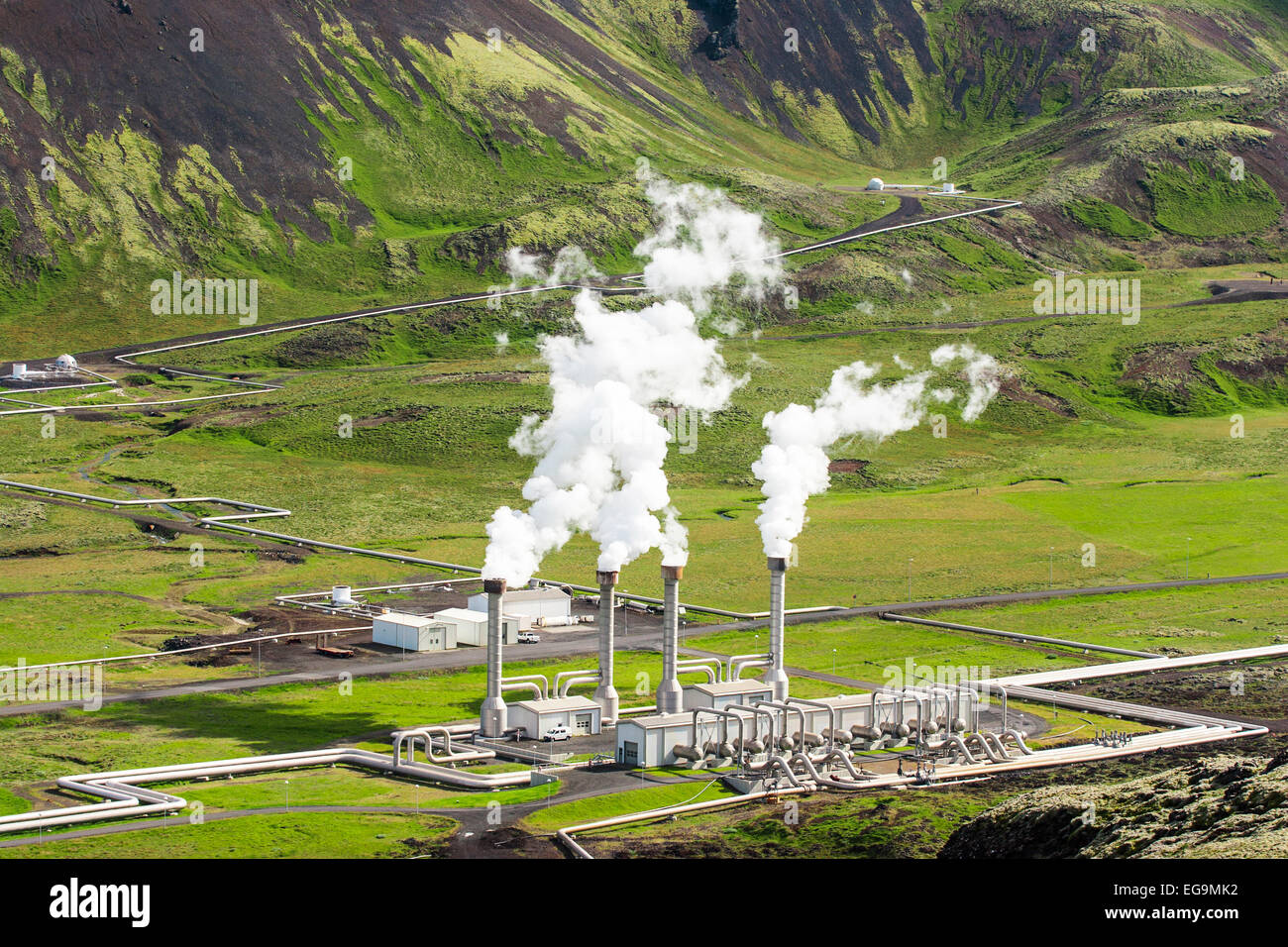
Where Geothermal Energy Is Used Most in the U.S. Today
Geothermal energy, harnessing the Earth's internal heat, is a powerful and increasingly vital source of renewable energy. While often overshadowed by solar and wind, geothermal offers a consistent, reliable power source that can significantly reduce our dependence on fossil fuels. In the United States, its applications range from heating homes to generating electricity on a large scale. Let's dive into where geothermal power is making the biggest impact today, exploring its benefits, limitations, and future potential.
Understanding Geothermal Energy: Tapping into the Earth's Core
At its core, geothermal energy leverages the heat emanating from the Earth's interior. This heat, primarily generated from radioactive decay deep within the planet, creates a vast reservoir of thermal energy. This energy manifests in various forms, including molten rock (magma), hot dry rock, and naturally heated groundwater.
Geothermal systems extract this heat in different ways, depending on the geological conditions and intended use. There are three primary types of geothermal power plants: Dry Steam Plants:These plants directly utilize steam from geothermal reservoirs to turn turbines and generate electricity. This is the oldest and simplest type of geothermal power plant.
Flash Steam Plants: High-pressure hot water is pumped to the surface and then flashed into steam in a tank. This steam then drives turbines. Flash steam plants are the most common type of geothermal power plant operating today.
Binary Cycle Plants: These plants transfer the heat from geothermal water to a secondary fluid with a lower boiling point. The secondary fluid then vaporizes and drives the turbines. Binary cycle plants allow for the utilization of lower-temperature geothermal resources, expanding the possibilities for geothermal energy production.
Beyond electricity generation, geothermal energy is also used directly for heating and cooling, a practice known as direct-use geothermal. This can involve piping hot water directly from underground sources for heating buildings, greenhouses, or industrial processes.
The Allure of Geothermal: Benefits Over Fossil Fuels
The advantages of geothermal power over traditional fossil fuels are significant: Renewable and Sustainable:Unlike fossil fuels, geothermal energy is a renewable resource. The Earth's internal heat is constantly replenished, ensuring a long-term, sustainable energy source.
Reliable and Consistent: Geothermal power plants operate continuously, 24 hours a day, 7 days a week, regardless of weather conditions. This contrasts sharply with the intermittent nature of solar and wind energy.
Low Emissions: Geothermal power plants produce significantly lower greenhouse gas emissions compared to fossil fuel plants. While some emissions are associated with geothermal development, they are minimal compared to the environmental impact of burning coal, oil, or natural gas.
Small Footprint: Geothermal power plants generally have a smaller land footprint than coal or nuclear power plants, especially when considering the entire lifecycle of fuel extraction and transportation associated with fossil fuels.
Direct-Use Applications: Geothermal energy can be used directly for heating, cooling, and other applications, increasing its overall efficiency and reducing reliance on electricity for these tasks.
Geothermal's Limitations: Understanding the Challenges
While geothermal energy holds immense promise, it's crucial to acknowledge its limitations: Location-Specific:Geothermal resources are not evenly distributed across the globe. Geothermal power plants are typically located in areas with high geothermal gradients, often near volcanic activity or tectonic plate boundaries.
High Upfront Costs: The initial investment required to develop a geothermal power plant or install a geothermal heating system can be substantial, including drilling, infrastructure, and equipment.
Potential for Induced Seismicity: Geothermal operations, particularly enhanced geothermal systems (EGS), can potentially induce minor earthquakes. While rare, this is a concern that requires careful monitoring and mitigation.
Resource Depletion: Although geothermal energy is renewable, geothermal reservoirs can be depleted if extracted at a rate faster than the rate of natural recharge. Sustainable management practices are essential to prevent this.
Environmental Impacts: While geothermal power plants have lower emissions than fossil fuel plants, they can still release small amounts of greenhouse gases, such as carbon dioxide and hydrogen sulfide. Land use impacts associated with drilling and infrastructure are also a factor.
Where Geothermal Shines: U.S. Applications
In the U.S., geothermal energy is employed in several key areas:1. Electricity Generation: Powering Communities
The western United States is the heartland of geothermal electricity production. States like California, Nevada, Utah, and Oregon boast significant geothermal resources and host numerous power plants. The Geysers geothermal field in California, the world's largest geothermal complex, is a prime example. These power plants provide a reliable source of baseload power to communities, contributing to a more sustainable energy mix.
2. Direct-Use Applications: Heating and Cooling Homes and Businesses
Geothermal heat pumps (GHPs), also known as ground source heat pumps, are widely used for heating and cooling residential and commercial buildings. These systems utilize the relatively constant temperature of the Earth a few feet below the surface to provide efficient heating in the winter and cooling in the summer. States like Oregon, Idaho and California are leading the way in this area. Direct-use applications extend beyond HVAC. Geothermal resources can be used for: District Heating: Providing heat to multiple buildings from a central geothermal source. Greenhouse Heating: Creating optimal growing conditions for crops year-round. Aquaculture: Maintaining ideal water temperatures for fish farming. Industrial Processes: Supplying heat for various industrial applications, such as food processing and manufacturing.
3. Enhanced Geothermal Systems (EGS): Expanding the Reach
Enhanced Geothermal Systems (EGS) are a promising technology for accessing geothermal resources in areas where natural permeability is low. EGS involves creating artificial fractures in underground rock formations to enhance the flow of geothermal fluids. While still in the early stages of development, EGS has the potential to significantly expand the geographic availability of geothermal energy. Pilot projects and research initiatives are underway across the U.S. to advance EGS technology.
The Cost Equation: Investment vs. Long-Term Savings
The initial investment in geothermal systems can be significant, especially for power plants and large-scale direct-use applications. Costs include drilling, infrastructure development, and equipment purchases. However, it's essential to consider the long-term savings associated with geothermal energy.
Reduced Fuel Costs: Geothermal energy eliminates the need for fossil fuels, shielding users from fluctuating fuel prices and reducing operational expenses.
Lower Maintenance Costs: Geothermal systems generally have lower maintenance costs compared to fossil fuel-based systems.
Incentives and Rebates: Government incentives and rebates can help offset the initial cost of geothermal systems, making them more economically attractive.
Long Lifespan: Geothermal power plants and heating systems have a long lifespan, providing decades of reliable energy.
Over the long term, the cost savings associated with geothermal energy can outweigh the initial investment, making it a cost-effective and environmentally friendly energy solution.
Environmental Considerations: Minimizing the Impact
While geothermal energy is a clean and sustainable energy source, it's important to acknowledge potential environmental impacts: Greenhouse Gas Emissions:Geothermal power plants can release small amounts of greenhouse gases, such as carbon dioxide and hydrogen sulfide. However, these emissions are significantly lower than those from fossil fuel plants.
Land Use: Geothermal development can require land for drilling, power plants, and pipelines. Proper planning and mitigation measures can minimize land use impacts.
Water Use: Geothermal power plants may require water for cooling or reinjection into the geothermal reservoir. Efficient water management practices can reduce water consumption.
Induced Seismicity: Geothermal operations, particularly EGS, can potentially induce minor earthquakes. Careful monitoring and mitigation measures are crucial to minimize this risk.
Overall, the environmental impacts of geothermal energy are relatively low compared to fossil fuels. However, it's important to carefully assess and mitigate these impacts to ensure the sustainable development of geothermal resources.
Global Leaders in Geothermal Adoption
While the United States is a significant player in geothermal energy, other countries are also leading the way: Iceland:Iceland is a pioneer in geothermal energy, utilizing it extensively for electricity generation and direct-use applications. The country aims to become entirely fossil fuel-free by utilizing its abundance of renewable energy sources.
Philippines: The Philippines has a large amount of geothermal resources due to the country’s location along the Pacific Ring of Fire. Geothermal accounts for a significant portion of the country's electricity generation.
Indonesia: Another nation situated on the Pacific Ring of Fire, Indonesia boasts substantial geothermal potential. The country is actively developing its geothermal resources to meet its growing energy demands.
New Zealand: New Zealand is a leader in geothermal electricity generation and direct-use applications. The country has a long history of utilizing geothermal resources.
These countries demonstrate the potential of geothermal energy to provide clean, reliable, and sustainable power.
The Future of Geothermal: Innovations and Advancements
The future of geothermal energy is bright, with ongoing research and development focused on: Enhanced Geothermal Systems (EGS):EGS technology promises to unlock vast geothermal resources in areas previously inaccessible.
Advanced Drilling Techniques: New drilling technologies can reduce drilling costs and access deeper, hotter geothermal reservoirs.
Closed-Loop Systems: Closed-loop geothermal systems eliminate the need for water extraction, reducing environmental impacts and expanding the geographic availability of geothermal energy.
Hybrid Systems: Combining geothermal energy with other renewable energy sources, such as solar and wind, can create more reliable and efficient energy systems.
Geothermal Anywhere: Combining geothermal heat pumps with shallow resources to be able to offer geothermal heating and cooling to homes and businesses in areas not normally considered ideal.
These innovations will further enhance the efficiency, sustainability, and accessibility of geothermal energy, making it an even more important component of the global energy mix.
Practical FAQs: Addressing Common Concerns
Q: How much does it cost to install a geothermal heating system?
A: The cost of a geothermal heating system varies depending on the size of the home, the type of system, and local conditions. However, government incentives and long-term energy savings can make it a cost-effective investment.
Q: Is geothermal energy available everywhere?
A: While geothermal resources are not evenly distributed, geothermal heat pumps can be used in most locations. Enhanced Geothermal Systems (EGS) also hold promise for expanding the geographic availability of geothermal energy.
Q: Is geothermal energy safe?
A: Geothermal energy is generally safe, but proper planning and monitoring are essential to minimize potential risks, such as induced seismicity.
Q: How efficient is geothermal energy?
A: Geothermal energy is highly efficient, with geothermal heat pumps typically achieving efficiencies of 300-500%.
Q: Is geothermal energy truly renewable?
A: Geothermal energy is a renewable resource, as the Earth's internal heat is constantly replenished. However, sustainable management practices are essential to prevent resource depletion.
Conclusion: Embracing the Earth's Natural Heat
Geothermal energy is a valuable and underutilized renewable energy resource. Its reliability, low emissions, and direct-use applications make it a compelling alternative to fossil fuels. While challenges remain, ongoing innovations and a growing awareness of its benefits are paving the way for a more sustainable energy future powered by the Earth's natural heat. As technology improves and accessibility expands, look for increased use of geothermal systems throughout the United States.