
What Geothermal Energy Really Means in Simple Terms: Your Complete Guide
Geothermal energy. The term might conjure images of bubbling hot springs and dramatic volcanic landscapes. While those certainly play a role, geothermal power is much more than just a scenic wonder. It's a powerful and increasingly important source of sustainable energy with the potential to revolutionize how we heat our homes, power our cities, and reduce our reliance on fossil fuels.
But whatisgeothermal energy, really? Let’s break down this fascinating renewable resource into simple, understandable terms, exploring its benefits, limitations, and potential impact on our future.
Understanding the Earth's Internal Heat
At its core, geothermal energy is simply heat derived from the Earth’s interior. Our planet is a giant thermal engine, constantly generating heat from the radioactive decay of materials within the Earth's core and mantle, as well as residual heat from the planet’s formation. This heat flows outward, warming the surrounding rock and, in some areas, reaching temperatures hot enough to produce steam and hot water.
This natural heat reservoir is what we tap into for geothermal power. Unlike solar or wind energy, which are intermittent and dependent on weather conditions, geothermal energy is a consistent and reliable source of power, available 24 hours a day, 7 days a week.
How Geothermal Energy Works: From Earth to Electricity
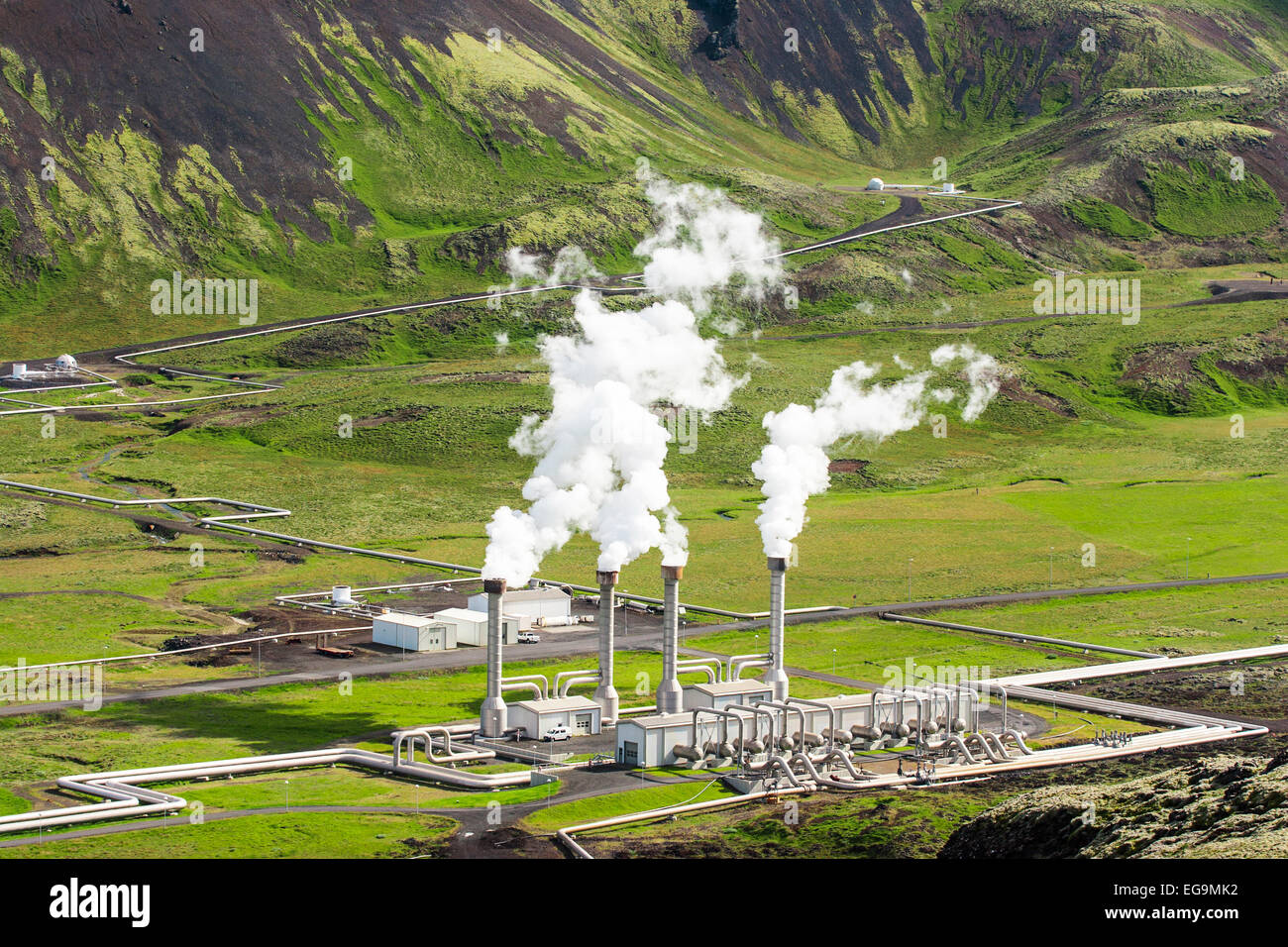
There are several ways to harness this underground energy source, depending on the temperature and accessibility of the resource: Geothermal Power Plants:These plants are used to generate geothermal electricity. They typically rely on high-temperature geothermal reservoirs found in areas with significant volcanic activity or tectonic plate boundaries. Here’s how they work:
1.Drilling: Wells are drilled deep into the earth to access the hot geothermal reservoirs.
2.Steam Production: The intense heat turns water into steam. This steam is brought to the surface.
3.Turbine Rotation: The high-pressure steam is directed towards turbines, causing them to spin.
4.Electricity Generation: The spinning turbines are connected to generators, which convert mechanical energy into electrical energy.
5.Condensation and Reinjection: After passing through the turbines, the steam is cooled and condensed back into water. This water is then reinjected back into the geothermal reservoir to replenish the supply and maintain pressure. This process creates a closed-loop system, minimizing environmental impact.
There are three main types of geothermal power plants: Dry Steam Plants:The oldest type, these plants directly use steam from the geothermal reservoir to power turbines.
Flash Steam Plants: These plants take high-pressure hot water from the reservoir and flash it into steam in a tank. The steam is then used to power turbines.
Binary Cycle Plants: These plants are used for lower-temperature geothermal resources. Hot water from the reservoir is passed through a heat exchanger, where it heats a secondary fluid with a lower boiling point. This secondary fluid vaporizes and drives the turbines.
Geothermal Heat Pumps (GHPs): Also known as ground-source heat pumps, these systems are used for residential and commercial heating and cooling. They work by utilizing the constant temperature of the earth a few feet below the surface.
Winter Heating: In winter, the ground is warmer than the air above. The GHP extracts heat from the ground and transfers it into the building.
Summer Cooling: In summer, the ground is cooler than the air above. The GHP extracts heat from the building and transfers it back into the ground.
GHPs are incredibly energy-efficient because they are simply transferring heat rather than generating it. They can significantly reduce heating and cooling costs compared to traditional systems.
Direct Use Applications: Geothermal resources can also be used directly for a variety of applications, such as: District Heating: Hot water from geothermal reservoirs can be piped directly to homes and buildings for heating purposes. This is commonly used in countries like Iceland.
Agriculture: Geothermal heat can be used to warm greenhouses, providing optimal growing conditions for crops.
Aquaculture: Warm geothermal water can be used to raise fish and other aquatic organisms.
Industrial Processes: Geothermal energy can be used to provide heat for various industrial processes, such as drying and sterilization.
Benefits of Geothermal Power: A Sustainable Alternative
Compared to fossil fuels, geothermal energy offers a multitude of benefits: Renewable and Sustainable: The Earth’s internal heat is a virtually inexhaustible resource, making geothermal power a truly sustainable energy option. Reliable and Consistent: Unlike solar and wind energy, geothermal energy is available 24/7, regardless of weather conditions. This reliability makes it a valuable baseload power source. Low Emissions: Geothermal power plants produce very low greenhouse gas emissions compared to fossil fuel-based power plants. Some plants may release small amounts of carbon dioxide, but these emissions are significantly lower than those from coal or natural gas plants. Small Footprint: Geothermal power plants and GHPs have a relatively small land footprint compared to other energy sources. Energy Independence:Geothermal resources are often locally available, reducing dependence on foreign energy imports.
Limitations of Geothermal Power: Addressing the Challenges
While geothermal energy offers many advantages, it's important to acknowledge its limitations: Location-Specific: Geothermal resources are not evenly distributed across the globe. High-temperature geothermal reservoirs suitable for power generation are typically found in areas with volcanic activity or tectonic plate boundaries. High Upfront Costs: The initial investment for geothermal power plants and GHPs can be substantial. Drilling wells and installing equipment requires significant capital. However, these costs are often offset by lower operating costs over the long term. Potential for Induced Seismicity: In some cases, geothermal operations, particularly enhanced geothermal systems (EGS), can trigger minor earthquakes. This risk can be mitigated through careful site selection and monitoring. Resource Depletion: If not managed properly, geothermal reservoirs can be depleted over time. Sustainable management practices, such as reinjection, are crucial to ensure the long-term viability of geothermal resources. Environmental Concerns:While geothermal energy is generally considered a clean energy source, there are some environmental concerns associated with its development, including land use, water usage, and the potential release of small amounts of greenhouse gases.
Real-World Applications: Geothermal Energy in Action
Geothermal energy is already being used in a variety of applications around the world: Iceland: A world leader in geothermal energy, Iceland generates approximately 25% of its electricity from geothermal sources and uses geothermal energy to heat around 90% of its homes. United States: The Geysers in California is the largest geothermal power plant complex in the world, generating enough electricity to power over one million homes. Geothermal heat pumps are also widely used throughout the US for residential and commercial heating and cooling. Philippines: The Philippines has a significant geothermal resource base and generates a substantial portion of its electricity from geothermal power plants. Kenya: Kenya is a leading geothermal energy producer in Africa, with plans to expand its geothermal capacity in the coming years. Italy:Italy was one of the first countries to develop geothermal power, with the Larderello geothermal field in Tuscany being in operation since the early 20th century.
Cost Breakdown: Initial Investment vs. Long-Term Savings
The cost of geothermal energy can vary depending on the type of system, location, and other factors. However, in general, geothermal systems have higher upfront costs compared to traditional energy sources but lower operating costs over the long term.
Geothermal Power Plants: The cost of building a geothermal power plant can range from \$2,000 to \$7,000 per kilowatt of installed capacity. However, the cost of generating electricity from a geothermal power plant is typically lower than that of fossil fuel-based power plants due to lower fuel costs. Geothermal Heat Pumps: The cost of installing a GHP system can range from \$15,000 to \$30,000 for a typical residential installation. However, GHPs can reduce heating and cooling costs by 30% to 70%, resulting in significant savings over the lifespan of the system. In some cases, government incentives and tax credits can help offset the initial cost of a GHP system.
Environmental Impact: A Balanced Perspective
Geothermal energy offers significant environmental benefits compared to fossil fuels, but it's important to consider its potential environmental impacts: Positive Impacts:
Low Emissions: Geothermal power plants produce very low greenhouse gas emissions compared to fossil fuel-based power plants.
Small Footprint: Geothermal power plants and GHPs have a relatively small land footprint compared to other energy sources.
Reduced Air Pollution: Geothermal energy does not produce air pollutants such as sulfur dioxide and nitrogen oxides, which contribute to smog and acid rain.
Negative Impacts:
Land Use: Geothermal development can require land for power plants, well pads, and pipelines.
Water Usage: Geothermal power plants require water for cooling and reinjection. In some areas, water scarcity can be a concern.
Induced Seismicity: Geothermal operations can sometimes trigger minor earthquakes.
Greenhouse Gas Emissions: While geothermal power plants produce very low greenhouse gas emissions compared to fossil fuel-based power plants, they can release small amounts of carbon dioxide and hydrogen sulfide.
Countries Leading the Way: Embracing Geothermal Power
Several countries are leading the way in geothermal energy adoption: Iceland: Iceland is a global leader in geothermal energy, utilizing its abundant geothermal resources to generate electricity and heat homes. United States: The US is the largest geothermal energy producer in the world, with significant geothermal capacity in California, Nevada, and other western states. Philippines: The Philippines has a substantial geothermal resource base and generates a significant portion of its electricity from geothermal power plants. Indonesia: Indonesia has the largest geothermal potential in the world and is actively developing its geothermal resources. New Zealand:New Zealand has a long history of geothermal energy development and utilizes geothermal power for electricity generation and direct use applications.
These countries are leading the way in geothermal energy adoption due to a combination of factors, including abundant geothermal resources, supportive government policies, and a commitment to sustainable energy development.
Future Trends and Innovations: Pushing the Boundaries
The future of geothermal energy is bright, with several exciting trends and innovations on the horizon: Enhanced Geothermal Systems (EGS): EGS technologies are expanding the potential of geothermal energy by allowing us to access geothermal resources in areas that are not naturally permeable. EGS involves creating artificial fractures in hot, dry rock deep underground and circulating water through these fractures to extract heat. Advanced Drilling Technologies: New drilling technologies are making it possible to drill deeper and more efficiently, unlocking access to previously inaccessible geothermal resources. Closed-Loop Geothermal Systems: These systems circulate a working fluid in a closed loop, minimizing water usage and reducing the risk of induced seismicity. Geothermal Energy Storage: Research is underway to develop technologies for storing geothermal energy, which could help to match supply and demand and improve the reliability of geothermal power. Hybrid Geothermal Systems:Combining geothermal energy with other renewable energy sources, such as solar and wind, can create more resilient and reliable energy systems.
These innovations are paving the way for a future where geothermal energy plays an even larger role in meeting our energy needs.
Practical FAQs: Your Questions Answered
Here are some frequently asked questions about geothermal energy: How much does a geothermal heat pump system cost?The cost of a GHP system can range from \$15,000 to \$30,000 for a typical residential installation. How long does a geothermal heat pump system last?GHP systems typically last for 20 to 25 years. Is geothermal energy safe?Geothermal energy is generally considered a safe energy source. However, there is a small risk of induced seismicity associated with some geothermal operations. How efficient are geothermal heat pumps?GHPs are highly efficient, with coefficients of performance (COPs) ranging from 3 to 5. This means that for every unit of electricity used to operate the system, 3 to 5 units of heat are transferred. Is geothermal energy available everywhere?Geothermal resources are not evenly distributed across the globe. High-temperature geothermal reservoirs suitable for power generation are typically found in areas with volcanic activity or tectonic plate boundaries. However, geothermal heat pumps can be used in most locations.
Conclusion:A Sustainable Energy Future
Geothermal energy represents a powerful and sustainable alternative to fossil fuels. While it has its limitations, the benefits of geothermal power – including its reliability, low emissions, and potential for energy independence – make it a crucial component of a clean energy future. As technology advances and costs continue to decline, geothermal energy is poised to play an increasingly significant role in meeting our global energy needs and combating climate change. By understanding geothermal energy in simple terms, we can appreciate its potential and advocate for its wider adoption. From powering entire cities with sustainable power to efficiently heating and cooling our homes, the Earth’s internal heat offers a promising path toward a more sustainable future.