
Countries Currently Using Geothermal Energy Right Now: A Global Overview
Geothermal energy, the Earth's internal heat, presents a compelling alternative to traditional fossil fuels. But which nations are truly harnessing this underground energy source? This article delves into the world of geothermal power, examining how it works, its advantages and disadvantages, real-world applications, economic considerations, environmental impacts, and a comprehensive list of countries currently leveraging this sustainable energy resource.
Understanding Geothermal Energy: Tapping into the Earth's Natural Heat
Geothermal energy originates from the Earth's core, a remnant of the planet's formation and ongoing radioactive decay. This heat continuously flows outward, warming the surrounding rocks and water reservoirs beneath the Earth's surface. Geothermal energy can be accessed in several ways, depending on the geological conditions: Geothermal Power Plants: These facilities tap into high-temperature geothermal reservoirs, typically found near volcanic activity or tectonic plate boundaries. Hot steam or water is extracted from the ground and used to spin turbines connected to generators, producing geothermal electricity. Geothermal Heating Systems: These systems utilize shallower, lower-temperature geothermal resources to provide direct heating for homes, buildings, and industrial processes. Ground source heat pumps are a common example, circulating fluid through underground pipes to exchange heat with the Earth. Enhanced Geothermal Systems (EGS):EGS technologies are designed to access geothermal resources in areas where the natural permeability of the rock is low. This involves creating artificial fractures in the rock to allow water to circulate and extract heat.
The Benefits of Geothermal Power: A Sustainable Energy Source
Compared to fossil fuels, geothermal energy offers numerous advantages: Renewable Resource: The Earth's heat is a virtually inexhaustible resource, ensuring a long-term, sustainable energy supply. Low Emissions: Geothermal power plants produce significantly lower greenhouse gas emissions than fossil fuel-based power plants. The CO2 emissions are typically a fraction of those from coal or natural gas. Reliable and Consistent: Unlike solar and wind power, geothermal energy is available 24/7, regardless of weather conditions. This provides a consistent and reliable base-load power source. Small Land Footprint: Geothermal power plants generally require a smaller land footprint compared to other renewable energy sources like large-scale solar or wind farms. Direct Use Applications:Geothermal energy can be used directly for heating, cooling, and various industrial processes, further enhancing its efficiency and versatility.
Disadvantages and Limitations of Geothermal Energy
Despite its numerous benefits, geothermal energy also faces certain challenges: Geographic Limitations: Geothermal resources are not evenly distributed across the globe. Areas with high geothermal potential are typically located near volcanic regions or tectonic plate boundaries. High Upfront Costs: The initial investment for geothermal power plant construction can be substantial, including exploration, drilling, and infrastructure development. Potential Environmental Impacts: Geothermal development can lead to land disturbance, noise pollution, and the release of small amounts of greenhouse gases (though significantly less than fossil fuels). In rare cases, it has been linked to induced seismicity (minor earthquakes). Resource Depletion: Over-extraction of geothermal fluids can lead to reservoir depletion, reducing the long-term productivity of geothermal resources. Careful resource management is crucial. Corrosion and Scaling:Geothermal fluids can contain corrosive chemicals and dissolved minerals that can cause scaling and damage to equipment.
Real-World Uses of Geothermal Energy
Geothermal energy is utilized in a variety of ways around the world: Electricity Generation: Geothermal power plants generate electricity to power homes, businesses, and industries. District Heating: Geothermal heat is used to provide heat for entire communities through district heating systems. This is common in Iceland and other Nordic countries. Greenhouse Heating: Geothermal energy is used to heat greenhouses, extending growing seasons and increasing crop yields. Aquaculture: Geothermal heat is used to warm fish farms, enabling the cultivation of aquatic species in colder climates. Industrial Processes: Geothermal energy is used in various industrial processes, such as food processing, paper production, and mineral extraction. Geothermal Heat Pumps: These systems provide efficient heating and cooling for individual homes and buildings by exchanging heat with the Earth.
Cost Breakdown: Setup vs. Long-Term Savings
The initial cost of geothermal energy projects can be significant, involving exploration, drilling, and infrastructure construction. A geothermal power plant can cost millions to hundreds of millions of dollars depending on its size and complexity. However, the long-term operational costs are typically lower compared to fossil fuel-based power plants because there are no fuel costs.
Geothermal heating systems, like ground source heat pumps, also require an upfront investment for installation. However, they can provide significant long-term savings on heating and cooling bills due to their high efficiency. The payback period for these systems can range from several years to over a decade, depending on factors such as climate, energy prices, and system size.
Environmental Impact: A Double-Edged Sword
Geothermal energy offers a significant reduction in greenhouse gas emissions compared to fossil fuels. However, it's not entirely without environmental impacts: Greenhouse Gas Emissions: Geothermal power plants can release small amounts of greenhouse gases, such as carbon dioxide and hydrogen sulfide, that are trapped underground. However, these emissions are typically a fraction of those from fossil fuel power plants. Land Use: Geothermal development can require land for power plants, drilling pads, and pipelines. Water Use: Some geothermal power plants use water for cooling, which can potentially impact local water resources. Induced Seismicity: In rare cases, geothermal development has been linked to induced seismicity, causing minor earthquakes. Noise Pollution: Drilling and power plant operations can generate noise pollution. Visual Impact: Geothermal power plants and pipelines can alter the visual landscape.
Countries Leading in Geothermal Energy Adoption
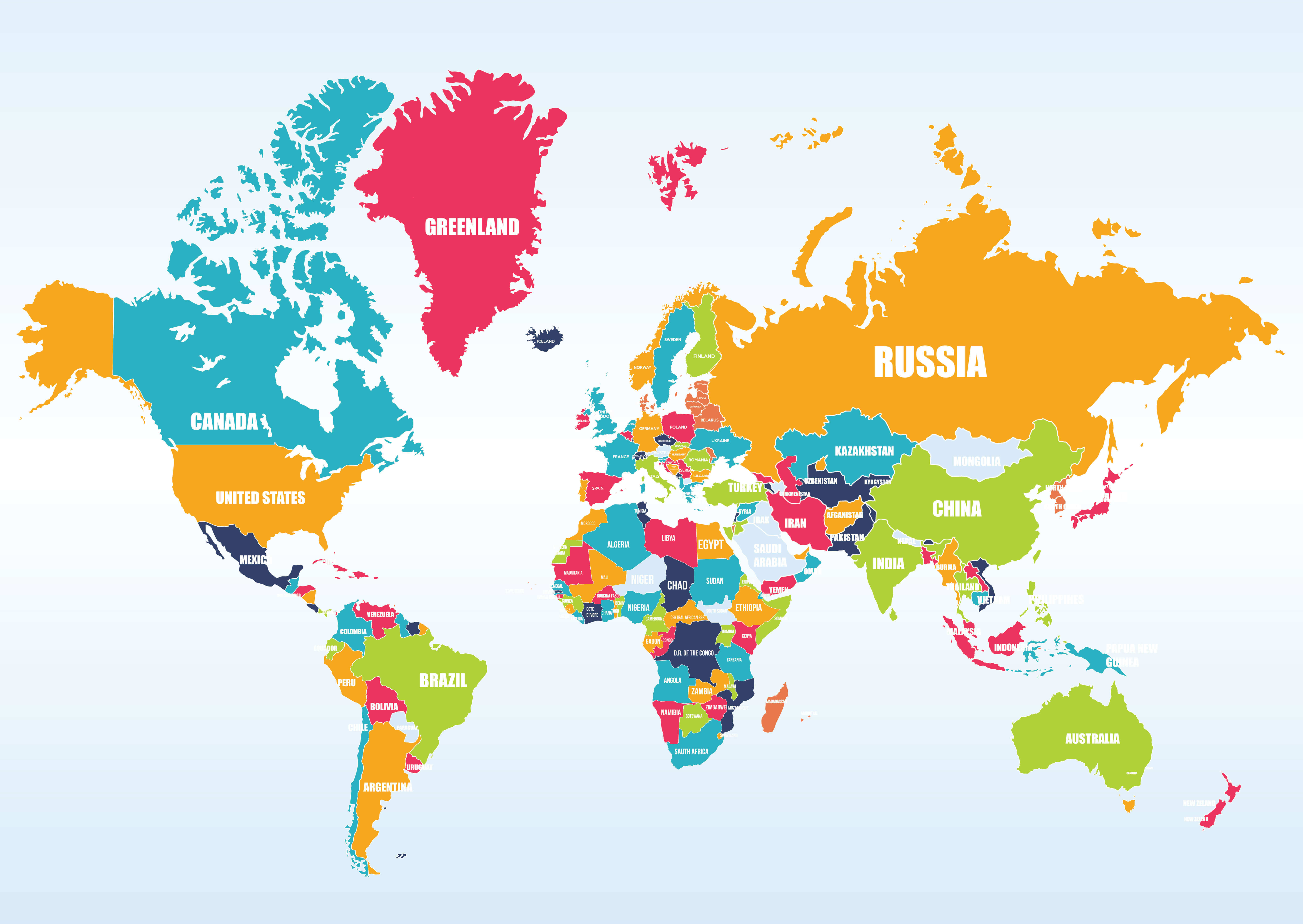
Several countries have embraced geothermal energy as a key component of their renewable energy mix. Here are some of the leaders: United States: The United States is the world's largest producer of geothermal electricity, with significant capacity in California, Nevada, and Utah. The Geysers in California is the largest geothermal power complex in the world. Indonesia: Indonesia has vast geothermal resources due to its location within the Ring of Fire. The country is actively developing its geothermal potential to reduce its reliance on fossil fuels. Philippines: The Philippines is another major geothermal producer, with a significant portion of its electricity generated from geothermal power plants. Turkey: Turkey has rapidly expanded its geothermal capacity in recent years, becoming a significant player in the global geothermal market. New Zealand: New Zealand has a long history of geothermal utilization, using it for both electricity generation and direct use applications. Iceland: Iceland is a pioneer in geothermal energy, utilizing it for electricity generation, district heating, and various other applications. A very high percentage of Iceland's energy needs are met with renewable geothermal systems. Kenya: Kenya has invested heavily in geothermal energy, with significant capacity additions in recent years. Mexico: Mexico has a growing geothermal sector, with several geothermal power plants operating in the country. Italy: Italy was one of the first countries to develop geothermal power, with the Larderello geothermal field in Tuscany dating back to the early 20th century. Japan: Despite its dense population and complex geology, Japan is actively exploring and developing its geothermal resources.
These countries are leading the way in demonstrating the potential of geothermal energy to contribute to a sustainable energy future. Their success stories highlight the economic, environmental, and social benefits of harnessing this powerful renewable resource.
Future Trends and Innovations in Geothermal Technology
The future of geothermal energy looks promising, with several exciting trends and innovations on the horizon: Enhanced Geothermal Systems (EGS): EGS technologies are expanding the geographic potential of geothermal energy by accessing resources in areas with low permeability. Advanced Drilling Techniques: New drilling technologies are reducing drilling costs and enabling access to deeper, hotter geothermal resources. Closed-Loop Geothermal Systems: These systems circulate fluid in a closed loop, eliminating the need to extract geothermal fluids from the ground, reducing environmental impacts. Supercritical Geothermal Resources: Research is underway to tap into supercritical geothermal resources, which hold immense energy potential. Geothermal Energy Storage: Developing methods to store geothermal energy will enhance its flexibility and enable it to meet peak demand. Hybrid Renewable Energy Systems: Integrating geothermal energy with other renewable energy sources, such as solar and wind, can create more reliable and resilient energy systems.
Practical FAQs About Geothermal Energy
Q: How much does a geothermal heat pump cost?
A: The cost of installing a geothermal heat pump can range from \$20,000 to \$40,000 or more, depending on the size of the system and the complexity of the installation.
Q: Is geothermal energy safe?
A: Geothermal energy is generally considered a safe energy source, but there are potential environmental impacts that need to be managed carefully.
Q: How efficient is geothermal energy?
A: Geothermal heat pumps are highly efficient, providing three to five units of heat for every unit of electricity consumed. Geothermal power plants can also be very efficient, especially those that utilize combined heat and power (CHP) systems.
Q: Where can I find geothermal energy?
A: Geothermal resources are not evenly distributed, but they can be found in many parts of the world. Areas with volcanic activity or tectonic plate boundaries are particularly promising.
Q: How long does a geothermal system last?
A: Geothermal heat pumps can last for 20 years or more with proper maintenance. Geothermal power plants can also have a long lifespan, often exceeding 30 years.
Q: Is geothermal energy really renewable?
A: Yes, the Earth's heat is a virtually inexhaustible resource, making geothermal energy a truly renewable energy source.
Conclusion: The Global Geothermal Landscape
Geothermal energy offers a compelling solution to the growing global energy demand, providing a sustainable, reliable, and low-emission alternative to fossil fuels. While challenges remain, ongoing technological advancements and supportive government policies are paving the way for greater geothermal adoption worldwide. As more countries recognize the immense potential of this underground energy source, geothermal power is poised to play an increasingly important role in the transition to a cleaner, more sustainable energy future.