
Countries That Use Geothermal Energy and How They Benefit
Geothermal energy, the Earth's internal heat, presents a compelling alternative to traditional fossil fuels. It’s a sustainable, reliable, and increasingly cost-effective energy source that’s gaining traction worldwide. But which countries are leading the charge, and how are they harnessing this underground power for their benefit? Let's delve into the world of geothermal electricity and renewable heat energy to uncover the advantages and applications of this powerful resource.
Understanding Geothermal Energy: Tapping into the Earth's Core
Geothermal energy originates from the Earth's core, a fiery furnace generating heat through radioactive decay and residual heat from the planet's formation. This heat radiates outwards, warming the surrounding rocks and water. Geothermal power leverages this heat in several ways: Geothermal Power Plants: These facilities tap into high-temperature geothermal reservoirs to produce steam, which drives turbines connected to generators to create geothermal electricity. Geothermal Direct Use: This involves using geothermal heat directly for various applications, such as heating buildings, greenhouses, aquaculture farms, and industrial processes. Geothermal Heat Pumps (GHPs):These systems utilize the stable temperature of the shallow ground (typically 10-16°C or 50-60°F) to provide efficient heating and cooling for homes and businesses. They transfer heat between the building and the ground, acting as a heat sink in the summer and a heat source in the winter.
The Allure of Geothermal Power: Benefits Over Fossil Fuels
Compared to fossil fuels, geothermal energy boasts a range of significant advantages: Sustainability: Geothermal resources are renewable, as the Earth continuously generates heat. As long as extraction rates are managed sustainably, the resource can last indefinitely. Reliability: Unlike solar and wind power, geothermal energy is available 24/7, 365 days a year, regardless of weather conditions. This makes it a dependable baseload power source. Low Emissions: Geothermal power plants produce significantly lower greenhouse gas emissions than fossil fuel power plants. While some emissions (such as carbon dioxide and hydrogen sulfide) are released, they are typically much lower and can be mitigated with appropriate technology. Small Footprint: Geothermal power plants require a smaller land footprint than coal mines or large-scale solar or wind farms. Direct-use applications also often integrate efficiently into existing infrastructure.
Acknowledging the Limitations: Geothermal Energy's Drawbacks
While geothermal power offers numerous benefits, it's important to acknowledge its limitations: Geographic Restrictions: Geothermal resources are not uniformly distributed across the globe. Access to high-temperature geothermal reservoirs is concentrated in areas with volcanic activity or tectonic plate boundaries. High Upfront Costs: The initial investment required to drill wells and construct geothermal power plants can be substantial. However, these costs are often offset by lower operating costs over the plant's lifespan. Potential for Induced Seismicity: In rare cases, geothermal operations can trigger minor earthquakes due to changes in subsurface pressure. Careful monitoring and management can minimize this risk. Environmental Concerns: Geothermal development can have some environmental impacts, including land disturbance, noise pollution, and the release of small amounts of greenhouse gases. Proper environmental assessments and mitigation strategies are crucial. Resource Depletion (if not managed sustainably):Over-extraction of geothermal fluids can lead to a decline in reservoir pressure and temperature, reducing the long-term viability of the resource. Sustainable management practices are essential.
Geothermal in Action: Real-World Applications
Geothermal energy is already powering homes, businesses, and industries around the world: Home Heating and Cooling: Geothermal heat pumps provide efficient and comfortable heating and cooling for residential buildings, reducing energy consumption and lowering utility bills. District Heating: Geothermal energy can be used to heat entire neighborhoods or cities through district heating systems, which circulate hot water from geothermal sources to individual buildings. Industrial Processes: Geothermal heat can be used in various industrial processes, such as food processing, paper manufacturing, and chemical production. Greenhouse Heating: Geothermal energy provides a cost-effective and sustainable way to heat greenhouses, extending growing seasons and increasing crop yields. Aquaculture:Geothermal heat can be used to warm water for fish farming and other aquaculture applications, improving production efficiency and reducing reliance on fossil fuels.
The Cost Equation: Initial Investment vs. Long-Term Savings
The high upfront costs of geothermal projects can be a barrier to entry. Drilling wells and constructing power plants require significant capital investment. However, the long-term operating costs of geothermal facilities are relatively low, as the fuel source (the Earth's heat) is free. This results in lower electricity prices and significant savings over the lifespan of the project. Furthermore, government incentives and tax credits can help to reduce the initial financial burden. Geothermal heat pumps, while requiring an initial investment, typically have a payback period of 5-10 years due to reduced energy consumption.
Countries Leading the Geothermal Revolution
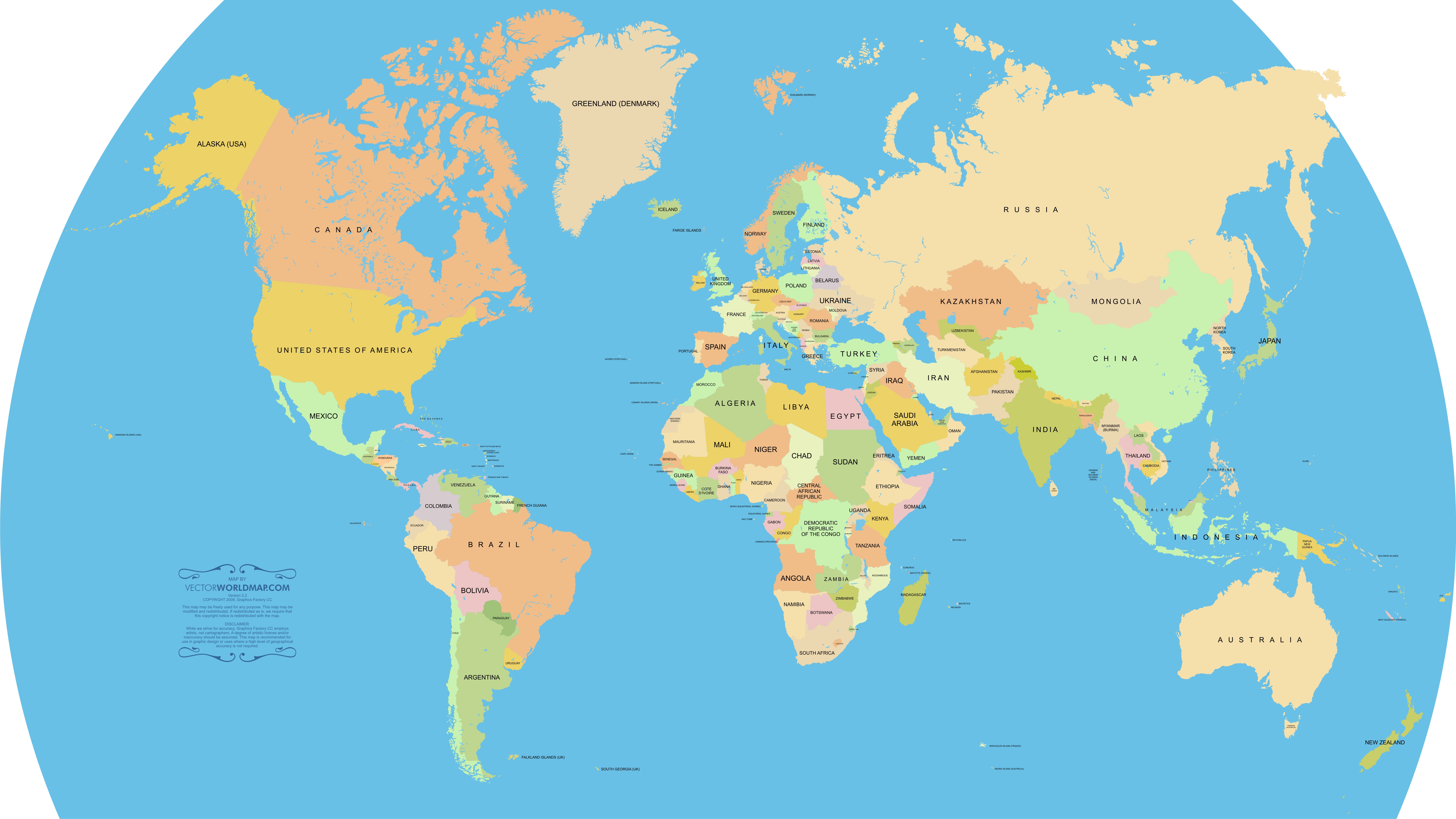
Several countries have emerged as leaders in geothermal energy adoption, capitalizing on their abundant geothermal resources and commitment to sustainable power: Iceland: Iceland is a geothermal powerhouse, generating over 25% of its electricity and heating nearly 90% of its homes with geothermal energy. Its volcanic landscape provides a readily available and abundant geothermal resource. Iceland's success demonstrates the potential of geothermal energy to provide a clean and reliable energy supply. The Philippines: The Philippines is one of the world's largest geothermal electricity producers. Its location along the Pacific Ring of Fire gives it access to significant geothermal resources. Geothermal energy plays a vital role in the Philippines' energy mix, reducing its reliance on imported fossil fuels. Indonesia: Indonesia is another country with vast geothermal potential, thanks to its volcanic geology. The Indonesian government is actively promoting geothermal development to meet its growing energy demand and reduce its carbon footprint. United States: The United States has the largest installed geothermal capacity in the world. The Geysers in California is the world's largest geothermal field, producing enough electricity to power millions of homes. Geothermal energy is also used for direct-use applications across the country. New Zealand: New Zealand has a long history of geothermal utilization, with geothermal power plants providing a significant portion of its electricity. The country is also a leader in geothermal innovation and research. Kenya: Kenya is a rising star in the geothermal sector. It has made significant investments in geothermal development, aiming to become a major geothermal power producer in Africa.
These countries benefit from adopting sustainable energy systems by achieving energy independence, reducing carbon emissions, creating jobs in the renewable energy sector, and stimulating economic growth.
The Future of Geothermal: Innovations and Trends
The geothermal industry is constantly evolving, with ongoing research and development focused on improving efficiency, reducing costs, and expanding the geographic reach of geothermal energy: Enhanced Geothermal Systems (EGS): EGS technology aims to access geothermal resources in areas where the rock is hot but lacks sufficient permeability. This involves injecting water into the rock to create fractures and allow the water to circulate and extract heat. EGS has the potential to significantly expand the availability of geothermal energy. Advanced Drilling Technologies: New drilling technologies are being developed to reach deeper and hotter geothermal resources more efficiently. These technologies include advanced drilling fluids, improved drill bit designs, and automated drilling systems. Closed-Loop Systems: These systems circulate fluid through a closed loop without extracting groundwater from the subsurface. This reduces the risk of resource depletion and minimizes environmental impacts. Hybrid Systems: Integrating geothermal energy with other renewable energy sources, such as solar and wind power, can create hybrid systems that provide a more reliable and diversified energy supply.
Practical FAQs about Geothermal Energy How much does geothermal energy cost?The upfront cost of a geothermal system can be higher than traditional heating and cooling systems, but the long-term savings on energy bills can offset this cost. Is geothermal energy available everywhere?Geothermal resources are not uniformly distributed across the globe, but geothermal heat pumps can be used almost anywhere, as they utilize the stable temperature of the shallow ground. Is geothermal energy safe?Geothermal energy is generally safe, but there is a small risk of induced seismicity in some areas. Careful monitoring and management can minimize this risk. How efficient is geothermal energy?Geothermal heat pumps are highly efficient, typically providing 3-5 units of heat for every unit of electricity consumed. What are the environmental benefits of geothermal energy?Geothermal energy produces significantly lower greenhouse gas emissions than fossil fuels, reducing air pollution and mitigating climate change.
Conclusion:Embracing the Earth's Natural Power
Geothermal energy offers a compelling pathway towards a sustainable energy future. While challenges remain, the benefits of geothermal power – including its reliability, low emissions, and potential for long-term cost savings – make it an increasingly attractive option for countries seeking to diversify their energy mix and reduce their environmental impact. As technology advances and costs decline, geothermal energy is poised to play an even greater role in powering our world in a clean and sustainable way. The Countries That Use Geothermal Energy, and the innovative ways in which they apply it, demonstrate the vast potential of this renewable resource.