
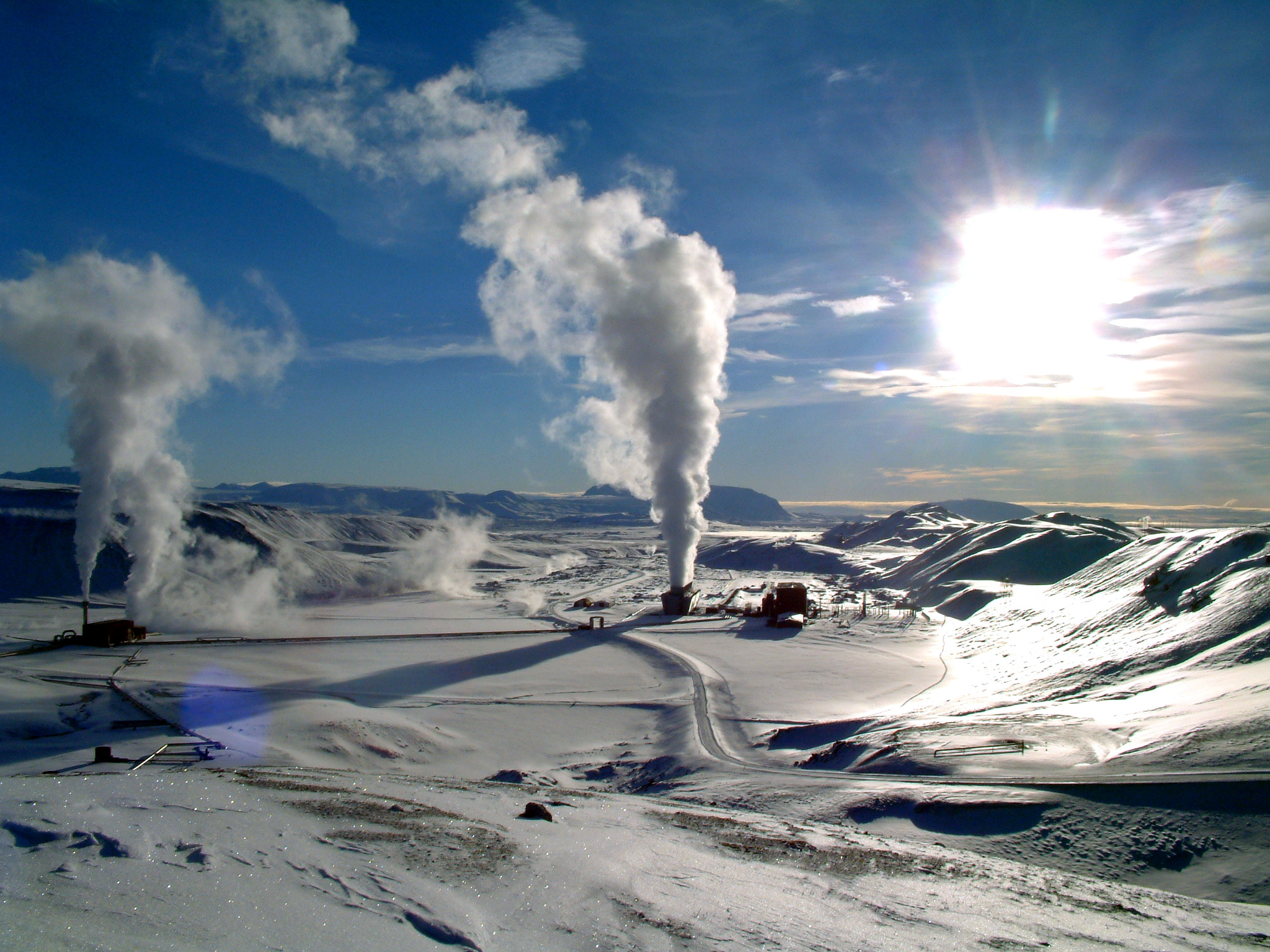
How Geothermal Energy Works: Simple Explanation for Beginners
Geothermal energy: it sounds like something out of science fiction, but it's a readily available, sustainable energy source right beneath our feet. In essence, geothermal energy harnesses the Earth's internal heat to generate power and provide heating and cooling solutions. This resource is particularly appealing because it offers a consistent and reliable alternative to fossil fuels and intermittent renewable sources like solar and wind.
This guide provides a clear and accessible explanation of geothermal power, breaking down the science, exploring its benefits and drawbacks, and highlighting its practical applications. Whether you’re a homeowner considering a geothermal heating system, a student researching renewable energy, or simply curious about sustainable power, this article provides the foundational knowledge you need.
Understanding the Earth's Natural Boiler: What is Geothermal Energy?
The Earth's core, a fiery inferno reaching temperatures of over 9,000°F (5,000°C), acts as a massive, natural nuclear reactor. This intense heat radiates outwards, warming the surrounding mantle and crust. In some regions, this heat manifests as volcanic activity or hot springs. However, even in areas without such dramatic geological features, the temperature of the Earth increases with depth.
Geothermal energy exploits this temperature gradient. By tapping into underground reservoirs of hot water and steam, or by directly exchanging heat with the ground, we can harness this renewable heat energy for various purposes. Unlike solar and wind power, which depend on weather conditions, geothermal resources offer a stable and continuous supply of energy, 24 hours a day, 7 days a week.
The Science Behind Geothermal Power: How It Works
There are several ways to access and utilize geothermal energy, each tailored to specific geological conditions and energy needs. Here’s a breakdown of the most common methods:1. Geothermal Power Plants:
These plants are typically located near geothermal reservoirs with high temperatures, often in volcanically active regions. There are three main types of geothermal power plants: Dry Steam Plants: These are the simplest type. They directly pipe steam from underground geothermal reservoirs into turbines, which spin generators to produce geothermal electricity. Flash Steam Plants: These are the most common type. High-pressure hot water is pumped from deep underground into tanks at the surface. As the pressure decreases, the water "flashes" into steam, which then drives turbines to generate power. Binary Cycle Plants:These plants are used in areas with moderate-temperature geothermal resources. Hot water from the ground is passed through a heat exchanger, where it heats a secondary fluid with a lower boiling point, such as isobutane or isopentane. The secondary fluid vaporizes and drives the turbines, then is cooled and condensed to be used again. Binary cycle plants are particularly versatile because they can operate at lower temperatures than flash steam plants.
2. Geothermal Heat Pumps (GHPs)
Also known as ground source heat pumps, GHPs leverage the stable temperature of the Earth just a few feet below the surface. This temperature remains relatively constant year-round, typically between 50°F and 60°F (10°C and 16°C), regardless of the outside air temperature.
GHPs work by circulating a fluid (usually water or a refrigerant) through a network of underground pipes. In the winter, the fluid absorbs heat from the ground and carries it indoors, where a heat pump concentrates the heat and distributes it throughout the building. In the summer, the process is reversed: heat from the building is absorbed by the fluid and transferred to the cooler ground.
GHPs are incredibly efficient because they simply move heat rather than generating it. This makes them significantly more energy-efficient than traditional heating and cooling systems.
3. Direct Use Applications
Geothermal energy can also be used directly for various applications, such as: District Heating: Hot water from geothermal reservoirs is piped directly to buildings for heating purposes. Greenhouse Heating: Geothermal heat is used to maintain optimal temperatures in greenhouses, extending the growing season and increasing crop yields. Aquaculture: Geothermal energy can be used to heat water for fish farming, accelerating growth rates and improving production. Industrial Processes: Geothermal heat can be used in various industrial processes, such as food processing, drying, and sterilization. Bathing and Recreation:Geothermal hot springs have been used for bathing and recreational purposes for centuries, providing therapeutic benefits and relaxation.
Benefits of Geothermal Power: A Sustainable Energy Champion
Geothermal energy offers a compelling alternative to fossil fuels, bringing a wealth of benefits to the table: Renewable and Sustainable: The Earth's heat is a virtually inexhaustible resource, making geothermal energy a truly renewable and sustainable option. Reliable and Consistent: Unlike solar and wind power, geothermal energy is available 24/7, regardless of weather conditions. Low Emissions: Geothermal power plants produce significantly lower greenhouse gas emissions than fossil fuel power plants. While some emissions are released from the geothermal reservoirs themselves, they are generally much lower than those from conventional power plants. Energy Independence: By utilizing domestically available geothermal resources, countries can reduce their dependence on foreign oil and gas imports. Space Efficiency: Geothermal power plants and GHPs require relatively small land areas compared to other energy sources. Cost Savings: While the initial investment for geothermal systems can be higher than conventional systems, the long-term operational costs are typically lower due to reduced fuel consumption. Versatile Applications:Geothermal energy can be used for a wide range of applications, from electricity generation to heating and cooling to industrial processes.
The Flip Side: Disadvantages and Limitations of Geothermal Energy
While geothermal energy offers numerous advantages, it's important to acknowledge its limitations: Location Specific: Geothermal resources are not evenly distributed around the world. Geothermal power plants are typically located in areas with high geothermal gradients, such as the western United States, Iceland, and New Zealand. High Upfront Costs: The initial investment for geothermal power plants and GHPs can be substantial, especially compared to conventional technologies. Environmental Concerns: While geothermal energy is generally considered environmentally friendly, there are some potential environmental impacts, including: Land Use: Geothermal power plants require land for construction and operation, which can disrupt local ecosystems.
Subsidence: Extracting large amounts of fluid from geothermal reservoirs can cause land subsidence, which can damage infrastructure.
Induced Seismicity: In some cases, geothermal operations can trigger minor earthquakes, although these are typically small and localized.
Release of Gases: Geothermal reservoirs can contain small amounts of greenhouse gases, such as carbon dioxide and methane, which can be released into the atmosphere during operation. However, these emissions are generally much lower than those from fossil fuel power plants. Resource Depletion: Over-extraction of geothermal resources can lead to a decline in reservoir pressure and temperature, reducing the long-term viability of geothermal operations. Careful resource management is essential to ensure the sustainability of geothermal resources.
Real-World Applications of Geothermal Energy
Geothermal energy is already playing a significant role in meeting the world's energy needs. Here are some notable examples: Iceland: Iceland is a global leader in geothermal energy utilization. The country generates approximately 25% of its electricity and heats over 90% of its homes with geothermal resources. United States: The United States is the world's largest producer of geothermal electricity. The Geysers geothermal field in California is the largest geothermal power complex in the world. Kenya: Kenya is a major geothermal energy producer in Africa. The country is rapidly expanding its geothermal capacity to meet its growing electricity demand. Italy: Italy was one of the first countries to utilize geothermal energy for electricity generation. The Larderello geothermal field in Tuscany has been producing electricity since the early 20th century.
Beyond electricity generation, geothermal heat pumps are becoming increasingly popular for residential and commercial heating and cooling. They offer a highly efficient and cost-effective alternative to traditional HVAC systems.
Cost Breakdown: Setup vs. Long-Term Savings
The initial cost of installing a geothermal system, whether it's a power plant or a home heating system, can be higher than traditional alternatives. However, it's essential to consider the long-term savings and benefits.
Geothermal Power Plants: The cost of building a geothermal power plant can range from $2,000 to $8,000 per kilowatt of installed capacity. However, the operating costs are typically lower than those of fossil fuel power plants due to the absence of fuel costs. Geothermal Heat Pumps: The cost of installing a GHP in a home can range from $15,000 to $30,000, depending on the size of the home and the complexity of the installation. However, GHPs can reduce heating and cooling costs by 30% to 60% compared to conventional systems. This can result in significant long-term savings, often offsetting the initial investment within a few years. Additionally, various government incentives and rebates are available to help offset the upfront costs of geothermal systems.
Environmental Impact: Balancing Benefits and Risks
Geothermal energy is generally considered an environmentally friendly energy source. However, it's important to acknowledge the potential environmental impacts and take steps to minimize them.
Positive Impacts:
Low Emissions: Geothermal power plants produce significantly lower greenhouse gas emissions than fossil fuel power plants.
Reduced Air Pollution: Geothermal energy does not produce harmful air pollutants, such as sulfur dioxide and nitrogen oxides.
Sustainable Resource: The Earth's heat is a virtually inexhaustible resource, making geothermal energy a sustainable option. Negative Impacts:
Land Use: Geothermal power plants require land for construction and operation, which can disrupt local ecosystems.
Subsidence: Extracting large amounts of fluid from geothermal reservoirs can cause land subsidence.
Induced Seismicity: Geothermal operations can trigger minor earthquakes in some cases.
Release of Gases: Geothermal reservoirs can contain small amounts of greenhouse gases, which can be released into the atmosphere during operation.
By implementing best practices and carefully managing geothermal resources, we can minimize the environmental impacts and maximize the benefits of this sustainable energy source.
Countries Leading the Way in Geothermal Energy
Several countries have embraced geothermal energy as a key component of their energy mix. These nations have invested heavily in geothermal research, development, and deployment, and are reaping the benefits of this sustainable energy source.
Iceland: Iceland is a global leader in geothermal energy utilization, generating a significant portion of its electricity and heating from geothermal resources. The country's abundant geothermal resources, combined with its commitment to sustainability, have made it a pioneer in geothermal energy development. United States: The United States is the world's largest producer of geothermal electricity. The country has significant geothermal resources, particularly in the western states, and has a long history of geothermal energy development. Indonesia: Indonesia has vast geothermal resources due to its location along the Pacific Ring of Fire. The country is rapidly expanding its geothermal capacity to meet its growing electricity demand and reduce its reliance on fossil fuels. Philippines: The Philippines is another major geothermal energy producer in Southeast Asia. The country's volcanic geology provides abundant geothermal resources, which are used to generate electricity and support economic development. New Zealand:New Zealand has a long history of geothermal energy utilization. The country generates a significant portion of its electricity from geothermal resources and is a leader in geothermal research and development.
These countries demonstrate the potential of geothermal energy to provide clean, reliable, and sustainable power.
Future Trends and Innovations in Geothermal Technology
The future of geothermal energy is bright, with ongoing research and development efforts focused on improving efficiency, reducing costs, and expanding the geographic reach of geothermal technologies.
Enhanced Geothermal Systems (EGS): EGS technologies aim to access geothermal resources in areas without naturally occurring hot water or steam reservoirs. This involves fracturing hot, dry rocks deep underground and injecting water to create artificial geothermal reservoirs. EGS has the potential to significantly expand the availability of geothermal energy. Advanced Drilling Technologies: New drilling technologies are being developed to reduce the cost and time required to drill geothermal wells. These technologies include advanced drilling bits, automated drilling systems, and innovative well construction techniques. Closed-Loop Geothermal Systems: Closed-loop geothermal systems circulate a fluid through a closed loop of underground pipes, eliminating the need to extract water from geothermal reservoirs. This reduces the risk of subsidence and other environmental impacts. Geothermal Energy Storage: Geothermal energy can be stored in underground reservoirs or thermal energy storage systems, allowing for greater flexibility in energy supply and demand. Hybrid Geothermal Systems:Hybrid geothermal systems combine geothermal energy with other renewable energy sources, such as solar and wind, to create more reliable and resilient energy systems.
These innovations are paving the way for a future where geothermal energy plays an even greater role in meeting the world's energy needs.
Practical FAQs About Geothermal Energy
Q: How much does it cost to install a geothermal heat pump?
A: The cost can range from $15,000 to $30,000, depending on factors like home size and installation complexity. However, significant long-term savings on heating and cooling bills can offset the initial investment.
Q: Is geothermal energy available everywhere?
A: While geothermal power plants are best suited for areas with high geothermal gradients, geothermal heat pumps can be used virtually anywhere because they leverage the stable underground temperature.
Q: Is geothermal energy safe?
A: Geothermal energy is generally safe, but potential environmental impacts like land subsidence and induced seismicity need careful management and monitoring.
Q: How efficient is geothermal energy?
A: Geothermal heat pumps are highly efficient, often achieving efficiencies of 300% to 500%. This means they deliver 3 to 5 units of heat for every unit of electricity consumed.
Q: Is geothermal energy truly renewable?
A: Yes, the Earth's heat is a virtually inexhaustible resource, making geothermal energy a truly renewable and sustainable energy source. However, responsible resource management is crucial to ensure its long-term viability.
Conclusion: Embracing the Power Under Our Feet
Geothermal energy offers a compelling solution to our growing energy needs, providing a clean, reliable, and sustainable alternative to fossil fuels. While challenges remain, ongoing technological advancements and increasing awareness of the benefits of sustainable power are paving the way for a future where geothermal energy plays an increasingly important role in our energy mix. By understanding how underground energy sources work, weighing the benefits against potential drawbacks, and supporting continued innovation, we can unlock the full potential of this remarkable resource and build a more sustainable energy future for all.