
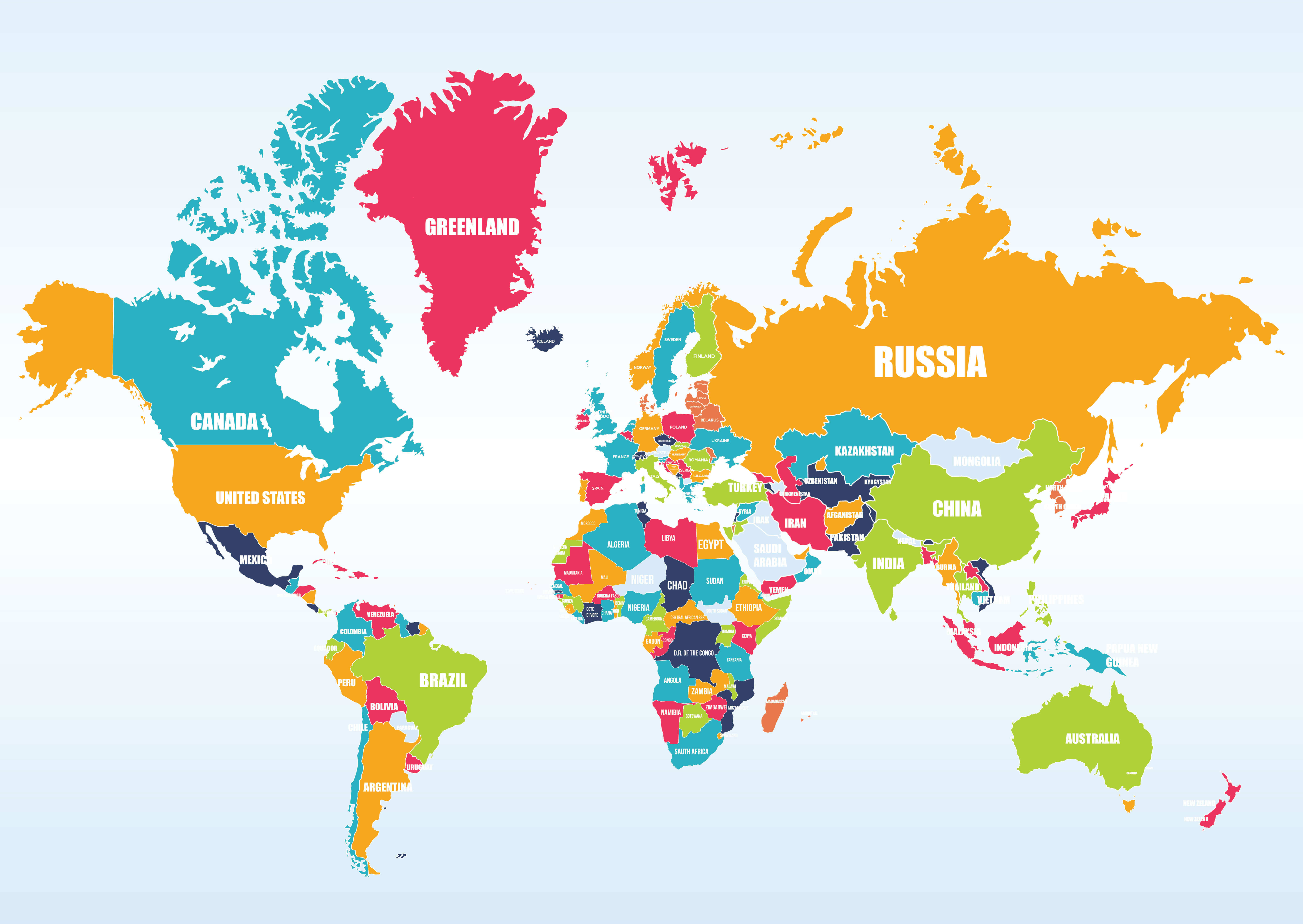
Where in the World Can Geothermal Energy Be Found?
Geothermal energy, the Earth's internal heat, represents a significant, yet often overlooked, source of sustainable power. Harnessing this renewable heat energy can provide electricity, heating, and cooling with a considerably smaller carbon footprint compared to traditional fossil fuels. But just where exactly is this underground energy source located, and how is it being utilized across the globe? This comprehensive guide will explore the geography of geothermal resources, the technologies used to extract them, the benefits and drawbacks of geothermal energy, and its potential for a greener future.
Understanding Geothermal Energy: Tapping into the Earth's Core
Geothermal energy originates from the Earth's core, a molten mass with temperatures exceeding 5,000 degrees Celsius. This heat continuously flows outward, warming the surrounding rock formations and groundwater. This creates reservoirs of heated water and steam beneath the Earth's surface, which we can access and utilize.
The process of harnessing geothermal power varies depending on the type of resource. Generally, it involves drilling wells into these underground reservoirs and extracting the hot water or steam. This resource is then used to: Generate Electricity:High-temperature geothermal resources (above 150°C or 300°F) can be used to power turbines connected to generators, producing geothermal electricity. This is similar to how traditional power plants work, but instead of burning fossil fuels, they use the Earth's heat as the energy source. These power plants are typically located in areas with significant geothermal activity, such as Iceland, New Zealand, and parts of the United States.
Direct Use Applications: Lower-temperature geothermal resources (below 150°C) can be used directly for various applications, including: District Heating: Pumping hot water directly into homes and buildings for space heating. This is common in countries like Iceland and France.
Greenhouse Heating: Providing a controlled environment for growing crops, extending the growing season and improving yields.
Aquaculture: Maintaining optimal temperatures for fish farming and other aquatic organisms.
Industrial Processes: Supplying heat for various industrial applications, such as food processing and drying.
Geothermal Heat Pumps: Using the constant temperature of the shallow ground (around 10-16°C or 50-60°F) to heat and cool buildings efficiently.
The Benefits of Geothermal Power: A Sustainable Advantage
Compared to fossil fuels, geothermal energy offers several significant advantages: Renewable and Sustainable: Geothermal energy is a renewable resource because the Earth's heat is constantly replenished. When managed sustainably, geothermal reservoirs can provide energy for decades, if not centuries. Low Emissions: Geothermal power plants produce very low greenhouse gas emissions compared to fossil fuel-based power plants. The primary emissions are water vapor and small amounts of carbon dioxide, which are significantly lower than those from coal or natural gas. Some systems even reinject all extracted water back into the reservoir, further reducing their environmental impact. Reliable and Consistent: Unlike solar and wind power, geothermal energy is available 24/7, regardless of weather conditions. This makes it a more reliable and consistent source of sustainable power. Small Land Footprint: Geothermal power plants generally have a smaller land footprint compared to coal-fired power plants or large hydroelectric dams.
Limitations and Challenges: Understanding the Drawbacks
Despite its advantages, geothermal energy also faces some limitations and challenges: Location Specificity: Geothermal resources are not evenly distributed around the globe. They are typically found in areas with high tectonic activity, such as near plate boundaries and volcanic regions. High Upfront Costs: The initial investment costs for drilling and constructing geothermal power plants can be high. However, these costs can be offset by lower operating costs and long-term energy savings. Potential Environmental Impacts: While geothermal energy is generally considered environmentally friendly, there are some potential impacts to consider: Land Use: Geothermal development can require land for wells, pipelines, and power plants.
Subsidence: In some cases, the extraction of geothermal fluids can cause land subsidence (sinking). This can be mitigated by reinjecting the fluids back into the reservoir.
Induced Seismicity: In rare cases, geothermal development can trigger small earthquakes. This is typically associated with enhanced geothermal systems (EGS), which involve injecting water into hot, dry rock formations.
Release of Gases: Geothermal fluids can contain small amounts of gases, such as hydrogen sulfide, which can have a foul odor and be harmful in high concentrations. However, modern geothermal power plants are equipped with technologies to control and minimize these emissions. Resource Depletion: If not managed sustainably, geothermal reservoirs can be depleted over time. This can be prevented by carefully monitoring the reservoir and adjusting the rate of extraction.
Global Distribution: Where to Find Geothermal Resources
The most significant geothermal resources are typically found in areas along major tectonic plate boundaries, especially the "Ring of Fire" surrounding the Pacific Ocean. Here's a look at some of the leading countries and regions in geothermal energy adoption: United States: The US is the world's largest producer of geothermal electricity, with most of its capacity located in California, Nevada, and Utah. The Geysers geothermal field in California is one of the largest in the world. Indonesia: Indonesia has vast geothermal resources due to its location in the Ring of Fire. The country is actively developing its geothermal potential to reduce its reliance on fossil fuels. Philippines: Like Indonesia, the Philippines is located in the Ring of Fire and has significant geothermal resources. Geothermal energy is a major source of electricity for the country. Turkey: Turkey has made significant investments in geothermal energy in recent years and is now one of the leading producers in Europe. New Zealand: New Zealand has a long history of using geothermal energy for electricity generation and direct use applications. The country is a leader in geothermal technology and sustainable resource management. Iceland: Iceland is a pioneer in geothermal energy utilization. The country generates a significant portion of its electricity and heat from geothermal resources. Reykjavik, the capital city, is heated almost entirely by geothermal energy. Kenya: Kenya is a leading geothermal producer in Africa. The country is expanding its geothermal capacity to meet its growing energy demand. Mexico: Mexico has a well-established geothermal industry and is actively developing new geothermal resources. Italy:Italy was one of the first countries to develop geothermal energy. The Larderello geothermal field in Tuscany has been producing electricity since the early 20th century.
Beyond these leading countries, geothermal resources can also be found in many other regions, including parts of Central America, South America, East Africa, and Southeast Asia. Even in areas without high-temperature geothermal resources, geothermal heat pumps can be used to efficiently heat and cool buildings.
Real-World Applications: From Homes to Power Plants
Geothermal energy is being used in a variety of ways around the world: Geothermal Power Plants: These plants generate electricity from high-temperature geothermal resources. Examples include The Geysers in California, the Wairakei Power Station in New Zealand, and the Hellisheiði Power Station in Iceland. District Heating Systems: These systems distribute hot water from geothermal sources to heat homes and buildings. Examples include the district heating systems in Reykjavik, Iceland, and Paris, France. Geothermal Heat Pumps: These systems use the constant temperature of the shallow ground to heat and cool buildings. They are widely used in residential and commercial buildings around the world. Agricultural Applications: Geothermal energy is used to heat greenhouses, aquaculture ponds, and agricultural drying facilities. Examples include geothermal greenhouses in Iceland and geothermal fish farms in the United States. Industrial Processes:Geothermal energy is used in a variety of industrial processes, such as pulp and paper production, food processing, and chemical manufacturing.
Cost Breakdown: Initial Investment vs. Long-Term Savings
The cost of geothermal energy can vary depending on the type of resource, the location, and the technology used. However, in general, the initial investment costs for geothermal projects are higher than those for fossil fuel-based projects. This is due to the costs of drilling wells, constructing power plants, and installing pipelines.
However, the long-term operating costs of geothermal projects are typically lower than those for fossil fuel-based projects. This is because geothermal energy is a renewable resource, and there are no fuel costs. As a result, geothermal energy can be a cost-competitive option over the long term.
Geothermal Power Plants: The cost of building a geothermal power plant can range from \$2,000 to \$8,000 per kilowatt (k W) of capacity. The operating costs can range from \$0.01 to \$0.03 per kilowatt-hour (k Wh). Geothermal Heat Pumps: The cost of installing a geothermal heat pump can range from \$3,000 to \$10,000, depending on the size of the system and the complexity of the installation. The operating costs are typically lower than those for traditional heating and cooling systems.
While the upfront costs might seem daunting, government incentives, tax credits, and financing options can help reduce the financial burden. Furthermore, the long-term energy savings and reduced environmental impact make geothermal energy a worthwhile investment.
Future Trends and Innovations: The Path Forward
The future of geothermal energy looks promising, with ongoing research and development focused on improving existing technologies and developing new ones. Some of the key trends and innovations include: Enhanced Geothermal Systems (EGS): EGS technologies aim to access geothermal resources in areas without naturally occurring hydrothermal reservoirs. This involves injecting water into hot, dry rock formations to create artificial reservoirs. EGS has the potential to significantly expand the geographic availability of geothermal energy. Advanced Drilling Technologies: New drilling technologies are being developed to reduce the cost and time required to drill geothermal wells. These technologies include directional drilling, which allows for drilling multiple wells from a single location, and advanced materials that can withstand high temperatures and pressures. Closed-Loop Geothermal Systems: Closed-loop systems circulate a working fluid through a closed loop of pipes buried in the ground. This eliminates the need to extract groundwater, reducing the risk of subsidence and water contamination. Hybrid Geothermal Systems: Hybrid systems combine geothermal energy with other renewable energy sources, such as solar and wind, to provide a more reliable and consistent source of power. Geothermal Energy Storage:Technologies are being developed to store geothermal energy for later use. This can help to match the supply of geothermal energy with the demand, improving the efficiency and reliability of geothermal systems.
Practical FAQs About Geothermal Energy
How much does it cost to install a geothermal heat pump? The cost varies, but typically ranges from \$3,000 to \$10,000. Is geothermal energy safe?Yes, geothermal energy is generally considered safe. Modern geothermal power plants are equipped with technologies to control emissions and minimize environmental impacts. How efficient are geothermal heat pumps?*Geothermal heat pumps are very efficient, with coefficient of performance (COP) values ranging from 3 to
5. This means that they can produce 3 to 5 units of heating or cooling for every unit of electricity consumed. Are geothermal resources available everywhere? While high-temperature geothermal resources are concentrated in certain areas, geothermal heat pumps can be used virtually anywhere to heat and cool buildings. How long do geothermal systems last?Geothermal power plants can last for 30 years or more, while geothermal heat pumps can last for 20 years or more.
Conclusion:A Sustainable Energy Solution for the Future
Geothermal energy represents a valuable and often underutilized source of renewable energy. By understanding where in the world we can find these resources, the technologies used to harness them, and their benefits and limitations, we can better evaluate their potential for contributing to a more sustainable energy future. While challenges remain, ongoing innovation and increasing global awareness are paving the way for greater adoption of geothermal power, making it a crucial component of a diversified and eco-friendly energy source portfolio. From providing sustainable power to heating our homes, geothermal energy is poised to play a significant role in meeting the world's growing energy needs while reducing our reliance on fossil fuels.