
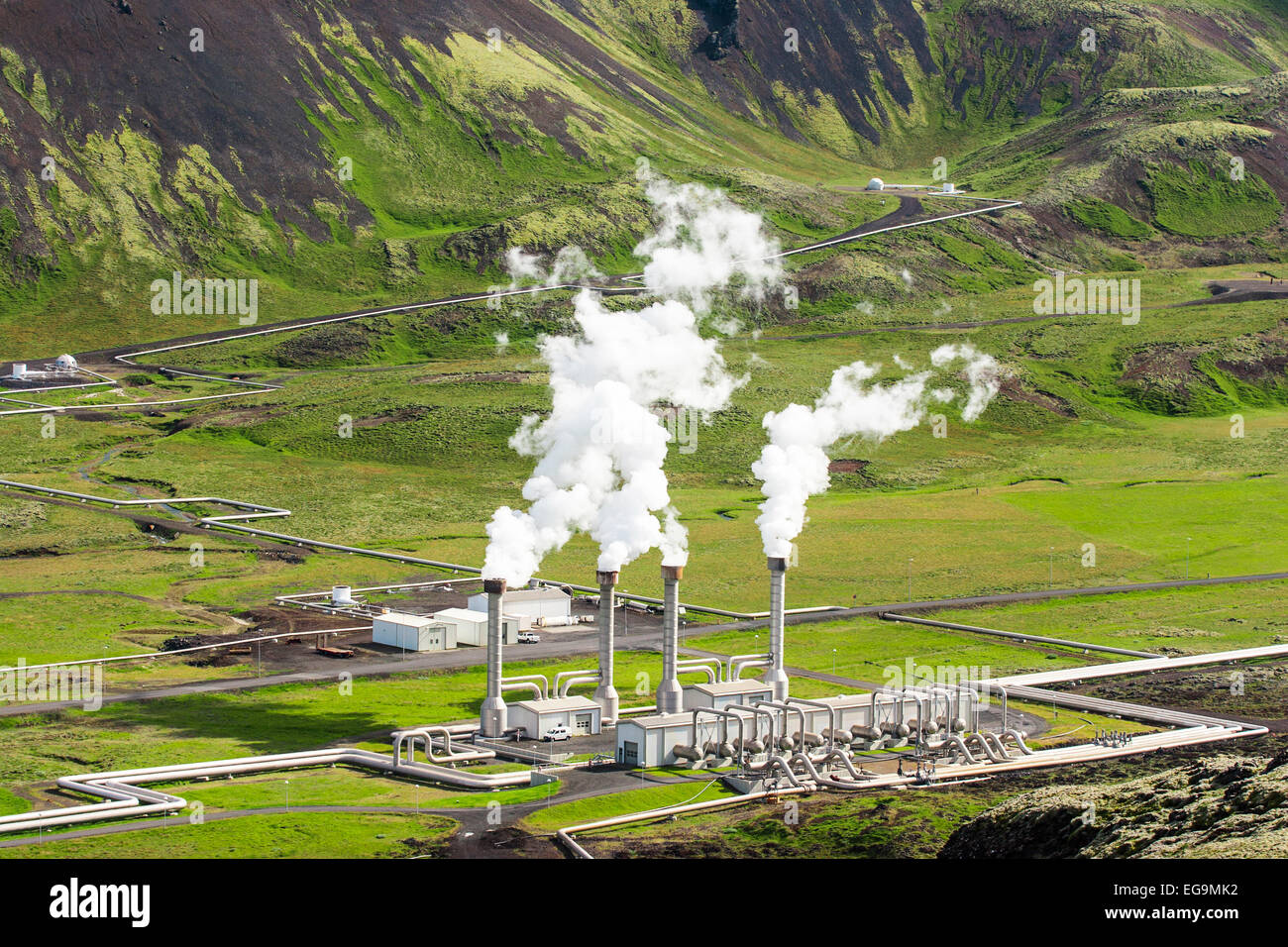
How Geothermal Energy Affects the Environment Positively and Negatively
Geothermal energy, a powerful and largely untapped resource, offers a compelling alternative to fossil fuels. Harnessing the Earth’s internal heat, it can provide a sustainable source of power for electricity generation, heating, and cooling. However, like all energy sources, geothermal isn't without its environmental impacts. Understanding these effects, both the advantages and disadvantages, is crucial for informed decision-making as we transition to a cleaner energy future.
Understanding Geothermal Energy: Tapping into Earth's Internal Heat
Geothermal energy originates from the Earth's core, a source of immense heat generated from radioactive decay and residual heat from the planet's formation. This heat gradually flows outward, warming the surrounding rocks and, in some areas, creating reservoirs of hot water and steam closer to the surface. These reservoirs are the keys to unlocking geothermal power.
There are several ways to access this underground energy source: Geothermal Power Plants:These plants tap into high-temperature geothermal reservoirs, typically found in volcanically active regions. Hot water or steam is extracted and used to spin turbines, which in turn generate electricity.
Geothermal Heat Pumps (GHPs): Also known as ground source heat pumps, these systems utilize the relatively constant temperature of the shallow ground (around 50-60°F or 10-16°C) to provide heating and cooling for homes and buildings. They circulate a fluid through underground pipes, absorbing heat from the Earth in winter and dissipating heat into the Earth in summer.
Direct Use Applications: Geothermal energy can also be used directly for various purposes, such as heating greenhouses, aquaculture farms, and industrial processes.
The Bright Side: Positive Environmental Impacts of Geothermal Power
Compared to fossil fuels, geothermal energy offers significant environmental advantages: Low Greenhouse Gas Emissions:Geothermal power plants emit significantly less greenhouse gases than coal, oil, or natural gas power plants. While some plants do release small amounts of carbon dioxide and hydrogen sulfide, the emissions are typically a fraction of those from fossil fuel combustion. The use of Enhanced Geothermal Systems (EGS) can further minimize these emissions by carefully managing reservoir fluids.
Renewable and Sustainable Resource: The Earth’s heat is a virtually inexhaustible resource, making geothermal energy a sustainable long-term energy solution. Unlike fossil fuels, which are finite and contribute to climate change, geothermal energy can provide a reliable and environmentally friendly power source for generations to come.
Small Land Footprint: Geothermal power plants generally require less land than coal mines, oil drilling sites, or large hydroelectric dams. Even geothermal heat pumps, which are used for residential and commercial heating and cooling, have a minimal surface footprint.
Reliable and Consistent Energy Source: Unlike solar and wind power, which are intermittent and dependent on weather conditions, geothermal energy is available 24 hours a day, 7 days a week, 365 days a year. This reliability makes geothermal a valuable baseload power source.
Reduced Reliance on Fossil Fuels: By increasing the use of geothermal energy, we can reduce our dependence on fossil fuels and their associated environmental problems, such as air pollution, oil spills, and greenhouse gas emissions.
Potential Drawbacks: Negative Environmental Impacts of Geothermal Energy
While geothermal energy offers numerous environmental benefits, it's important to acknowledge its potential drawbacks: Induced Seismicity:A significant concern associated with geothermal energy is the potential for induced seismicity, or human-caused earthquakes. This can occur when injecting fluids into the Earth to enhance geothermal reservoirs, particularly with Enhanced Geothermal Systems (EGS). While most induced earthquakes are small and harmless, there is a risk of larger, more damaging events. Careful site selection, monitoring, and management of injection rates are crucial to minimize this risk.
Land Use Changes: While the land footprint of geothermal power plants is generally smaller than that of fossil fuel facilities, they still require land for well drilling, pipelines, and power generation equipment. Construction and operation of geothermal facilities can also disrupt local ecosystems and wildlife habitats. Responsible land management practices are essential to mitigate these impacts.
Water Use: Geothermal power plants require water for cooling and reinjection into the geothermal reservoir. Water scarcity is a growing concern in many regions, and geothermal power plants can compete with other water users. Dry steam power plants, which don't require cooling water, and the development of closed-loop geothermal systems can help minimize water consumption.
Subsidence: In some cases, the extraction of geothermal fluids can cause land subsidence, or the sinking of the ground surface. This can damage infrastructure and increase the risk of flooding. Reinjecting fluids back into the reservoir can help prevent subsidence.
Release of Non-Condensable Gases (NCGs): Some geothermal reservoirs contain non-condensable gases, such as carbon dioxide, hydrogen sulfide, and methane. These gases can be released into the atmosphere during power generation. While the emissions are typically much lower than those from fossil fuel power plants, they can still contribute to air pollution and climate change. Advanced emission control technologies can be used to capture and sequester these gases.
Real-World Applications of Geothermal Energy
Geothermal energy is being utilized in a variety of ways around the world: Iceland:Iceland is a global leader in geothermal energy, using it to generate electricity and heat homes, businesses, and greenhouses. The country's abundant geothermal resources have allowed it to become nearly energy independent.
United States: The Geysers in California is the world's largest geothermal power complex, generating enough electricity to power millions of homes. Geothermal heat pumps are also becoming increasingly popular in the US, providing efficient heating and cooling for homes and buildings.
Italy: Italy was one of the first countries to develop geothermal power, starting in the early 20th century. The country continues to use geothermal energy for electricity generation and district heating.
Kenya: Kenya is a leading geothermal producer in Africa, using geothermal energy to meet a significant portion of its electricity demand. The country's geothermal resources are helping to drive economic development and reduce reliance on fossil fuels.
The Cost Factor: Investment vs. Long-Term Savings
The initial investment costs for geothermal systems can be higher than those for conventional fossil fuel systems. This is due to the cost of drilling wells, constructing power plants, and installing geothermal heat pumps. However, geothermal energy offers significant long-term cost savings: Lower Operating Costs:Geothermal power plants have lower operating costs than fossil fuel power plants because they don't require fuel. Geothermal heat pumps also have lower operating costs than conventional heating and cooling systems due to their high efficiency.
Reduced Maintenance Costs: Geothermal systems are generally more reliable and require less maintenance than fossil fuel systems.
Government Incentives: Many governments offer incentives, such as tax credits and rebates, to encourage the development of geothermal energy. These incentives can help offset the initial investment costs and make geothermal energy more competitive.
Leading the Way: Countries Embracing Geothermal Energy
Several countries are leading the way in geothermal energy adoption: Iceland:Due to its unique geology, Iceland has harnessed geothermal for a large percentage of its energy needs, serving as a model for other nations.
Philippines: The Philippines is located in the "Ring of Fire" and possesses significant geothermal resources, making it a major producer of geothermal electricity.
Indonesia: Another country situated in the "Ring of Fire," Indonesia is actively developing its geothermal resources to meet its growing energy demand.
New Zealand: New Zealand relies on geothermal energy for a significant portion of its electricity generation and has a long history of geothermal development.
These countries demonstrate that geothermal energy can be a viable and sustainable energy solution in areas with suitable geothermal resources.
Future Trends and Innovations in Geothermal Technology
The future of geothermal energy is bright, with several promising trends and innovations: Enhanced Geothermal Systems (EGS):EGS technology can expand the availability of geothermal energy by accessing hot, dry rocks that are not naturally permeable. EGS involves fracturing these rocks and injecting water to create artificial geothermal reservoirs.
Advanced Drilling Technologies: New drilling technologies are making it possible to reach deeper and hotter geothermal resources.
Closed-Loop Geothermal Systems: These systems circulate a fluid through a closed loop of pipes, minimizing water consumption and reducing the risk of induced seismicity.
Geothermal Energy Storage: Developing methods for storing geothermal energy can help match supply with demand and improve the reliability of geothermal power plants.
Practical FAQs About Geothermal Energy
Q: How much does it cost to install a geothermal heat pump?
A: The cost of installing a geothermal heat pump can range from \$20,000 to \$40,000, depending on the size of the system and the complexity of the installation.
Q: Is geothermal energy available everywhere?
A: Geothermal resources are not evenly distributed around the world. High-temperature geothermal resources are typically found in volcanically active regions, while low-temperature geothermal resources are more widespread.
Q: Is geothermal energy safe?
A: Geothermal energy is generally safe, but there are some potential risks, such as induced seismicity and the release of non-condensable gases. These risks can be mitigated through careful site selection, monitoring, and management.
Q: How efficient is geothermal energy?
A: Geothermal heat pumps are highly efficient, typically providing three to five times more energy than they consume. Geothermal power plants are also efficient, with capacity factors that are comparable to those of fossil fuel power plants.
Conclusion: Balancing Benefits and Risks for a Sustainable Future
Geothermal energy presents a compelling opportunity to transition towards a more sustainable energy future. While it's not without its environmental implications, the benefits, particularly the reduction in greenhouse gas emissions and the provision of a reliable, renewable energy source, are significant. By carefully managing the risks and investing in technological advancements, we can unlock the full potential of this underground energy source and pave the way for a cleaner, more sustainable world. Utilizing this form of sustainable power responsibly is key to reaching our environmental goals while still meeting the growing global demand for energy. Continued research and development will further improve the efficiency and reduce the impact of renewable geothermal systems, ensuring a brighter future for generations to come.