
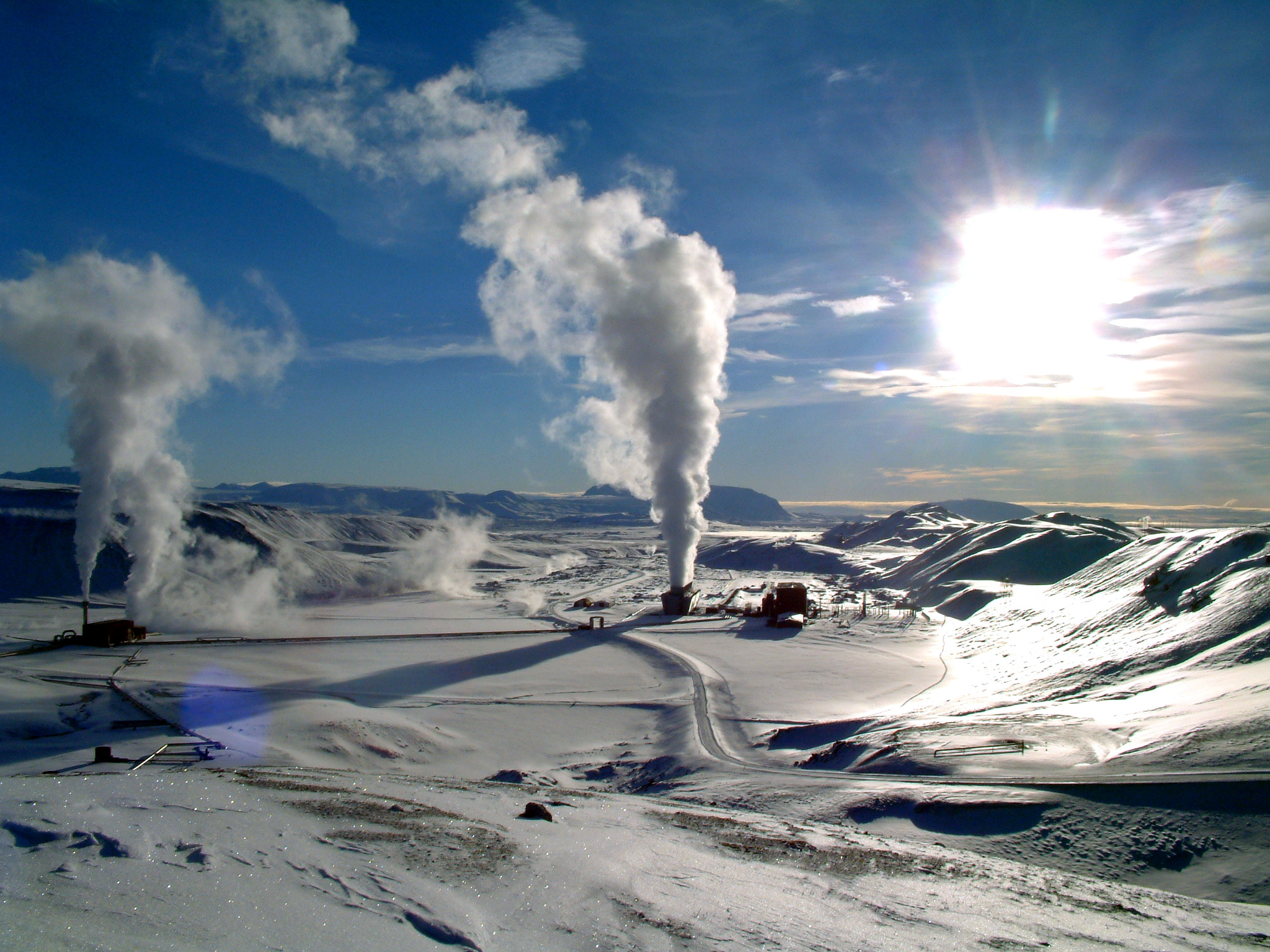
How Geothermal Energy is Produced and Delivered: A Deep Dive
Geothermal energy, a powerful and often overlooked renewable resource, harnesses the Earth's internal heat to generate electricity and provide direct heating. Unlike solar or wind, geothermal energy is a consistent and reliable energy source, available 24/7, regardless of weather conditions. This article provides a comprehensive overview of how this sustainable power is extracted, converted, and utilized, covering everything from the underlying science to its environmental impact and future potential.
Understanding the Earth's Natural Boiler: What is Geothermal Energy?
Deep beneath our feet, the Earth's core radiates tremendous heat, a remnant from the planet's formation and ongoing radioactive decay. This heat gradually flows outward, warming the surrounding rock and groundwater. Geothermal energy is the utilization of this stored thermal energy found beneath the Earth’s surface. It's a renewable resource because the Earth constantly replenishes the heat, ensuring its long-term availability.
This renewable heat energy is accessible in varying forms: Geothermal Reservoirs: These are underground reservoirs of hot water and steam, often found in areas with volcanic activity or geological faults. They are the primary source for large-scale geothermal electricity generation. Hot Dry Rock: This refers to impermeable, hot rocks deep underground. While abundant, extracting energy from hot dry rock requires engineered geothermal systems (EGS), a more complex technology. Shallow Ground Temperatures:Even at relatively shallow depths (10-20 feet), the ground maintains a nearly constant temperature year-round. This stable temperature can be used for geothermal heating and cooling in homes and buildings using ground-source heat pumps.
From Underground Heat to Usable Power: Geothermal Energy Production
The process of transforming underground energy sources into usable power depends on the type of geothermal resource being utilized.
1. Geothermal Power Plants: Harnessing Steam for Electricity
Geothermal power plants tap into geothermal reservoirs to generate electricity. There are three main types of geothermal power plants: Dry Steam Plants:These are the simplest and oldest type of geothermal power plant. They directly use steam from the reservoir to spin turbines, which are connected to generators that produce electricity. The Geysers in California, a world-renowned geothermal field, primarily utilizes dry steam technology.
Flash Steam Plants: These plants use high-pressure hot water from the reservoir. As the water is released into a lower-pressure tank, it rapidly converts to steam. This steam then spins the turbines to generate electricity. Flash steam plants are the most common type of geothermal power plant.
Binary Cycle Plants: These plants are used for moderate-temperature geothermal resources (typically below 300°F). Hot water from the reservoir is passed through a heat exchanger, where it heats a secondary fluid with a lower boiling point (such as isobutane or pentane). The secondary fluid vaporizes and spins the turbines. Binary cycle plants are more environmentally friendly as they do not release steam or water into the atmosphere. They also allow for the use of lower-temperature geothermal resources that would not be suitable for dry steam or flash steam plants.
2. Enhanced Geothermal Systems (EGS): Unlocking Hot Dry Rock Potential
EGS is a technology designed to extract heat from hot dry rock resources. The process involves: Drilling: Drilling deep wells into the hot, dry rock formation. Fracturing: Injecting high-pressure water into the rock to create fractures, increasing its permeability. Circulation: Injecting cold water down one well, which then circulates through the fractured rock, heats up, and returns to the surface through another well as hot water or steam. Power Generation: The hot water or steam can then be used in a binary cycle power plant to generate electricity.
EGS has the potential to significantly expand the availability of geothermal energy, as hot dry rock resources are far more widespread than hydrothermal reservoirs. However, EGS technology is still under development and faces challenges related to cost, induced seismicity, and long-term reservoir management.
3. Geothermal Heat Pumps (GHPs): Direct Use for Heating and Cooling
Geothermal heat pumps, also known as ground-source heat pumps, leverage the stable ground temperatures near the Earth's surface for heating and cooling buildings. They don't generate electricity but directly transfer heat.
How they work: GHPs use a system of underground pipes (ground loops) filled with a water-antifreeze solution. In winter, the fluid absorbs heat from the relatively warmer ground and transfers it to the building. In summer, the process is reversed: the fluid absorbs heat from the building and transfers it to the cooler ground.
Types of Ground Loops: There are different types of ground loops, including horizontal loops (buried in shallow trenches), vertical loops (drilled deep into the ground), and pond/lake loops (submerged in a body of water). The choice of loop depends on site-specific factors such as soil type, available space, and cost.
Benefits of Geothermal Power Compared to Fossil Fuels
Geothermal energy offers several advantages over fossil fuels: Renewable and Sustainable: The Earth's heat is a virtually inexhaustible resource. Reliable and Consistent: Unlike solar and wind, geothermal energy is available 24/7, regardless of weather conditions. Low Emissions: Geothermal power plants emit very little greenhouse gases compared to fossil fuel-based power plants. Small Footprint: Geothermal power plants typically have a smaller land footprint compared to coal mines or large hydroelectric dams. Direct Use Applications: Geothermal energy can be used for direct heating and cooling, industrial processes, and aquaculture. Energy Independence: Geothermal resources are domestically available in many countries, reducing reliance on imported fossil fuels.
Disadvantages and Limitations of Geothermal Energy
While geothermal energy offers numerous benefits, it also has some drawbacks: Location-Specific: Geothermal resources are not evenly distributed around the world. Geothermal power plants are typically located in areas with volcanic activity or geological faults. High Upfront Costs: The initial investment in geothermal power plants and EGS projects can be significant. Drilling deep wells and constructing the power plant infrastructure requires substantial capital. Induced Seismicity: EGS projects and, in some cases, conventional geothermal operations can potentially induce minor earthquakes. This is a concern that needs to be carefully managed through monitoring and mitigation strategies. Land Use: Geothermal power plants and geothermal heating systems require land for drilling, pipelines, and power plant infrastructure. Resource Depletion: If geothermal reservoirs are not managed sustainably, they can be depleted over time. Environmental Concerns: While geothermal energy is generally clean, there are some potential environmental concerns, such as the release of hydrogen sulfide (a gas with a rotten egg smell) and the disposal of geothermal fluids.
Real-World Uses of Geothermal Energy
Geothermal energy is used in a variety of applications around the world: Electricity Generation: Geothermal power plants provide electricity to millions of homes and businesses in countries such as the United States, Iceland, the Philippines, Indonesia, and New Zealand. Direct Heating: Geothermal energy is used for district heating in cities like Reykjavik, Iceland, providing hot water and space heating to thousands of buildings. Industrial Processes: Geothermal energy is used in various industrial processes, such as drying lumber, pasteurizing milk, and greenhouse heating. Aquaculture: Geothermal energy is used to heat aquaculture ponds, creating ideal conditions for fish and shellfish farming. Geothermal Heat Pumps:GHPs are used in homes and commercial buildings for heating and cooling, offering significant energy savings compared to conventional HVAC systems.
Cost Breakdown: Setup vs. Long-Term Savings
The cost of geothermal energy varies depending on the application: Geothermal Power Plants:The upfront cost of building a geothermal power plant can range from \$2,000 to \$8,000 per kilowatt of installed capacity. However, the operating costs are relatively low, as there are no fuel costs. Over the lifetime of the plant, geothermal electricity can be cost-competitive with other renewable energy sources and even fossil fuels.
Enhanced Geothermal Systems (EGS): EGS projects are typically more expensive than conventional geothermal power plants due to the complexities of drilling and fracturing the rock. However, as EGS technology matures, costs are expected to decrease.
Geothermal Heat Pumps: The initial cost of installing a GHP system can be higher than conventional heating and cooling systems. However, GHPs offer significant energy savings, typically reducing heating and cooling costs by 30-60%. The payback period for a GHP system can range from 5 to 10 years, depending on energy prices and the efficiency of the system.
Environmental Impact: Balancing Benefits and Risks
Geothermal energy is considered a clean and sustainable energy source, but it's not without its environmental impacts.
Positive Impacts
Low Greenhouse Gas Emissions: Geothermal power plants emit significantly less greenhouse gases than fossil fuel-based power plants. Reduced Air Pollution: Geothermal energy does not produce air pollutants such as sulfur dioxide and nitrogen oxides, which contribute to smog and acid rain. Small Land Footprint:Geothermal power plants typically have a smaller land footprint than coal mines or large hydroelectric dams.
Negative Impacts
Induced Seismicity: EGS projects and, in some cases, conventional geothermal operations can potentially induce minor earthquakes. Land Use: Geothermal power plants and geothermal heating systems require land for drilling, pipelines, and power plant infrastructure. Resource Depletion: If geothermal reservoirs are not managed sustainably, they can be depleted over time. Hydrogen Sulfide Emissions: Geothermal power plants can release hydrogen sulfide, a gas with a rotten egg smell. Water Consumption:Some geothermal power plants use water for cooling, which can strain water resources in arid regions.
Countries Leading in Geothermal Energy Adoption
Several countries have emerged as leaders in geothermal energy adoption: United States: The United States is the world's largest producer of geothermal electricity, with most of its geothermal power plants located in California, Nevada, and Utah. The Geysers geothermal field in California is one of the largest geothermal complexes in the world. Iceland: Iceland is a pioneer in geothermal energy utilization. The country generates nearly 100% of its electricity from renewable sources, with geothermal energy playing a significant role. Geothermal energy is also used for district heating, industrial processes, and aquaculture. Philippines: The Philippines is the second-largest producer of geothermal electricity in the world. The country has abundant geothermal resources due to its location along the Pacific Ring of Fire. Indonesia: Indonesia has significant geothermal potential due to its volcanic activity. The country is rapidly developing its geothermal resources to meet its growing electricity demand. New Zealand:New Zealand has a long history of geothermal energy utilization. Geothermal power plants provide a significant portion of the country's electricity.
These countries lead due to a combination of factors, including abundant geothermal resources, supportive government policies, and technological innovation.
Future Trends and Innovations in Geothermal Technology
The future of geothermal energy looks promising, with several exciting trends and innovations: Enhanced Geothermal Systems (EGS): Continued development of EGS technology will unlock vast geothermal resources in areas with hot dry rock. Advanced Drilling Technologies: New drilling technologies, such as advanced drilling fluids and automated drilling systems, are reducing the cost and time required to drill geothermal wells. Closed-Loop Geothermal Systems: Closed-loop geothermal systems, which circulate fluid within a closed loop without extracting groundwater, are gaining popularity as a more environmentally friendly option. Supercritical Geothermal Systems: Supercritical geothermal systems, which tap into extremely hot and high-pressure geothermal resources, have the potential to generate significantly more electricity than conventional geothermal power plants. Integration with Other Renewables:Geothermal energy can be integrated with other renewable energy sources, such as solar and wind, to create more resilient and reliable energy systems.
Practical FAQs About Geothermal Energy
Here are some frequently asked questions about geothermal energy: How much does it cost to install a geothermal heat pump? The cost of installing a GHP system can range from \$15,000 to \$30,000, depending on the size of the home and the type of ground loop.
Is geothermal energy available everywhere? Geothermal resources are not evenly distributed around the world, but geothermal heat pumps can be used in almost any location.
Is geothermal energy safe? Geothermal energy is generally safe, but there is a small risk of induced seismicity associated with EGS projects and, in some cases, conventional geothermal operations.
How efficient is geothermal energy? Geothermal power plants can achieve efficiencies of 15-20%. Geothermal heat pumps are highly efficient, with coefficients of performance (COPs) of 3-5, meaning they can deliver 3-5 units of heat for every unit of electricity consumed.
Is geothermal energy a sustainable energy source? Yes, geothermal energy is a sustainable energy source because the Earth constantly replenishes the heat. However, geothermal reservoirs need to be managed sustainably to avoid depletion.
Conclusion: Embracing the Earth's Natural Heat
Geothermal energy offers a reliable, sustainable, and low-emission alternative to fossil fuels. While it faces challenges related to location specificity and upfront costs, ongoing technological advancements and supportive government policies are paving the way for wider adoption. From powering entire cities with geothermal electricity to providing efficient heating and cooling for individual homes, geothermal energy is poised to play an increasingly important role in the transition to a clean energy future. By understanding*how geothermal energy is produced and delivered, and its associated benefits and limitations, we can make informed decisions about its integration into our energy systems.