
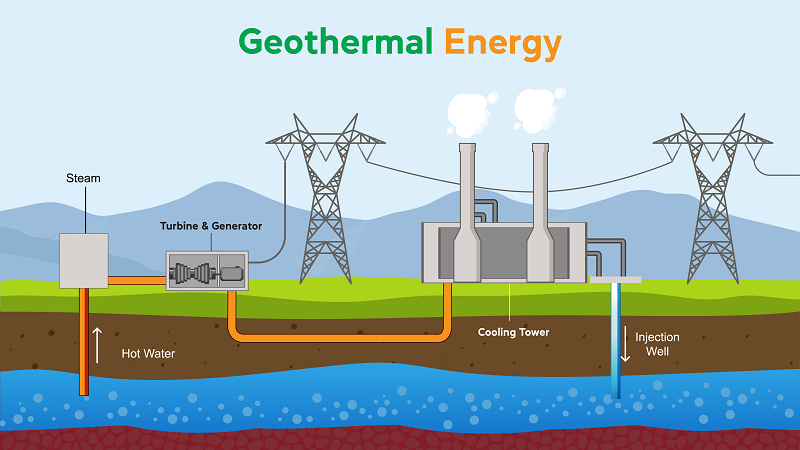
How Geothermal Energy Systems Work Beneath the Surface: An In-Depth Guide
Geothermal energy, a powerful and consistent source of renewable heat and power, taps into the Earth’s internal heat to provide a sustainable alternative to fossil fuels. But what exactly is geothermal energy, and how does it work deep underground? This comprehensive guide will explore the fascinating world of geothermal systems, uncovering their benefits, limitations, and real-world applications.
Understanding Geothermal Energy: The Earth’s Natural Boiler
At its core, geothermal energy harnesses the heat generated from the Earth’s formation and radioactive decay within the planet's core. This heat is continuously conducted outwards, creating a temperature gradient that increases with depth. While the surface temperature fluctuates with the seasons, the temperature a few feet below ground remains relatively constant year-round, influenced more by the Earth’s internal heat than by the ambient air.
Geothermal systems leverage this constant temperature for various applications, ranging from heating and cooling homes to generating electricity. Unlike solar or wind power, which are intermittent and dependent on weather conditions, geothermal energy offers a reliable and consistent energy source, available 24/7.
Diving Deep: Different Types of Geothermal Systems
There are several types of geothermal systems, each designed to extract and utilize the Earth's heat in different ways: Geothermal Heat Pumps (GHPs):These systems, also known as ground-source heat pumps, are the most common application of geothermal technology. They utilize the stable underground temperature to heat and cool buildings. A network of underground pipes, called a ground loop, circulates a fluid (usually water or a refrigerant) that absorbs heat from the earth in the winter and releases heat back into the earth in the summer. The heat pump then transfers this heat into or out of the building. GHPs are incredibly efficient, often outperforming traditional HVAC systems by a significant margin. For example, a GHP can deliver up to four units of energy for every one unit of electricity consumed, resulting in substantial energy savings.
Direct-Use Geothermal Systems: These systems utilize geothermal heat directly for various applications, such as heating greenhouses, aquaculture farms, and industrial processes. Hot water from geothermal reservoirs is piped directly to the application, eliminating the need for a heat pump. Direct-use systems are particularly effective in areas with readily accessible geothermal resources. An example would be a fish farm using the constant temperature of geothermal water to raise fish year-round, increasing production and reducing energy costs.
Geothermal Power Plants: These plants generate electricity by tapping into high-temperature geothermal reservoirs. There are three main types of geothermal power plants: Dry Steam Plants: These plants directly use steam from underground reservoirs to turn turbines and generate electricity. This is the oldest and simplest type of geothermal power plant.
Flash Steam Plants: These plants take high-pressure hot water from underground and flash it into steam in a tank. The steam then drives turbines to generate electricity. This is the most common type of geothermal power plant.
Binary Cycle Plants: These plants use hot water from geothermal reservoirs to heat a secondary fluid with a lower boiling point. The vaporized secondary fluid then drives turbines to generate electricity. Binary cycle plants are particularly useful for lower-temperature geothermal resources.
The Benefits of Harnessing Underground Energy Sources
Compared to traditional fossil fuels, geothermal power offers numerous advantages: Renewable and Sustainable: Geothermal energy is a renewable resource, as the Earth's heat is constantly replenished. When managed responsibly, geothermal systems can provide a sustainable source of energy for generations. Environmentally Friendly: Geothermal power plants produce significantly lower greenhouse gas emissions compared to fossil fuel-based power plants. While some emissions may occur during drilling and construction, the overall environmental impact is significantly less. Reliable and Consistent: Unlike solar and wind power, geothermal energy is available 24/7, regardless of weather conditions. This reliability makes it a valuable baseload power source. Energy Independence: By utilizing domestic geothermal resources, countries can reduce their reliance on imported fossil fuels and enhance energy security. Lower Operating Costs:While the initial investment in geothermal systems can be higher, the long-term operating costs are typically lower due to the reduced need for fuel.
Addressing the Challenges and Limitations
Despite its many benefits, geothermal energy also has some limitations: Location Specificity: Geothermal resources are not evenly distributed across the globe. Geothermal power plants require access to high-temperature geothermal reservoirs, which are typically found in volcanically active areas or regions with specific geological formations. High Upfront Costs: The initial investment in geothermal systems, particularly power plants, can be substantial. Drilling wells and constructing infrastructure require significant capital. Potential for Induced Seismicity: In some cases, geothermal operations, particularly enhanced geothermal systems (EGS), have been linked to induced seismicity, or small earthquakes. Careful monitoring and mitigation strategies are essential to minimize this risk. Land Use Impacts: Geothermal power plants and drilling operations can require significant land area, potentially impacting ecosystems and communities. Resource Depletion (if not managed sustainably):Although the Earth's heat is constantly replenished, geothermal reservoirs can be depleted if extraction rates exceed recharge rates. Sustainable management practices are crucial to ensure the long-term viability of geothermal resources.
Real-World Applications: Powering Homes and Industries
Geothermal energy is being used in a variety of applications around the world: Residential Heating and Cooling: Geothermal heat pumps are becoming increasingly popular for heating and cooling homes, offering significant energy savings and improved comfort. Commercial Buildings: Geothermal systems are also used in commercial buildings, such as schools, hospitals, and office buildings, to reduce energy consumption and operating costs. District Heating: In some cities, geothermal energy is used to provide district heating, supplying hot water to multiple buildings through a network of underground pipes. Reykjavik, Iceland, is a prime example of a city that relies heavily on geothermal energy for district heating. Industrial Processes: Geothermal heat is used in various industrial processes, such as food processing, paper production, and chemical manufacturing. Electricity Generation:Geothermal power plants are generating electricity in numerous countries, including the United States, Iceland, the Philippines, Indonesia, and New Zealand.
Cost Breakdown: Initial Investment vs. Long-Term Savings
The cost of a geothermal system varies depending on the type of system, location, and specific application. Geothermal heat pumps typically have a higher upfront cost compared to traditional HVAC systems. However, the long-term operating costs are significantly lower, resulting in substantial savings over the lifespan of the system. The exact payback period depends on factors such as energy prices and climate conditions, but generally, geothermal systems can pay for themselves within a few years to a decade. For geothermal power plants, the initial investment is even higher, but the long-term revenue generated from electricity sales can offset the costs. Government incentives and tax credits can also help to reduce the initial investment burden.
Environmental Impact: A Balancing Act
Geothermal energy is generally considered an environmentally friendly energy source, but it's not without its environmental impacts.
Positive Impacts:
Low Greenhouse Gas Emissions: Geothermal power plants produce significantly lower greenhouse gas emissions compared to fossil fuel-based power plants.
Reduced Air Pollution: Geothermal systems do not produce harmful air pollutants, such as nitrogen oxides and sulfur dioxide, which contribute to smog and acid rain.
Sustainable Resource Use: Geothermal energy is a renewable resource, and when managed responsibly, it can provide a sustainable source of energy for generations.
Negative Impacts:
Land Use: Geothermal power plants and drilling operations can require significant land area, potentially impacting ecosystems and communities.
Induced Seismicity: In some cases, geothermal operations have been linked to induced seismicity, or small earthquakes.
Water Consumption: Some geothermal power plants require water for cooling, which can strain water resources in arid regions.
Release of Trace Gases: Geothermal reservoirs may contain trace amounts of gases, such as hydrogen sulfide, which can be released during geothermal operations.
Global Leaders in Geothermal Energy Adoption
Several countries are leading the way in geothermal energy adoption: United States: The United States is the world's largest producer of geothermal electricity, with significant geothermal resources in the western states. Iceland: Iceland relies heavily on geothermal energy for heating and electricity generation, showcasing the potential of geothermal resources to meet a country's energy needs. Philippines: The Philippines has abundant geothermal resources and is a major producer of geothermal electricity. Indonesia: Indonesia is another country with significant geothermal potential, and it is actively developing its geothermal resources. New Zealand:New Zealand has a long history of utilizing geothermal energy for electricity generation and direct-use applications.
These countries have invested heavily in geothermal technology and infrastructure, demonstrating the economic and environmental benefits of harnessing underground energy sources. Their success stories provide valuable lessons for other countries looking to develop their own geothermal resources.
Future Trends and Innovations in Geothermal Technology
The future of geothermal energy is bright, with ongoing research and development efforts focused on improving existing technologies and developing new approaches: Enhanced Geothermal Systems (EGS): EGS aims to access geothermal resources in areas where naturally occurring hydrothermal systems are not present. This involves creating artificial fractures in hot, dry rocks deep underground and circulating water through these fractures to extract heat. EGS has the potential to significantly expand the geographic availability of geothermal energy. Advanced Drilling Technologies: New drilling technologies are being developed to reduce the cost and complexity of drilling geothermal wells, making geothermal energy more economically competitive. Closed-Loop Geothermal Systems: These systems circulate a working fluid through a closed loop in the ground, eliminating the need for direct contact with geothermal reservoirs. This can reduce the risk of induced seismicity and minimize environmental impacts. Hybrid Geothermal Systems: Hybrid systems combine geothermal energy with other renewable energy sources, such as solar or wind power, to provide a more reliable and resilient energy supply.
FAQs: Your Geothermal Questions Answered
Q: How much does a geothermal system cost?
A: The cost varies depending on the type and size of the system. Geothermal heat pumps typically range from $20,000 to $30,000 installed. Geothermal power plants require much larger investments.
Q: Is geothermal energy available everywhere?
A: While geothermal heat is present everywhere, high-temperature geothermal resources suitable for electricity generation are concentrated in specific regions. Geothermal heat pumps can be used in most locations.
Q: Is geothermal energy safe?
A: Geothermal energy is generally considered safe, but there is a potential risk of induced seismicity in some cases. Careful monitoring and mitigation strategies are essential.
Q: How efficient are geothermal systems?
A: Geothermal heat pumps are highly efficient, often outperforming traditional HVAC systems by a significant margin. Geothermal power plants can also be very efficient, particularly binary cycle plants.
Q: How long does a geothermal system last?
A: Geothermal heat pumps typically last for 20-25 years, while the ground loops can last for 50 years or more. Geothermal power plants can operate for several decades with proper maintenance.
In conclusion, geothermal energy represents a significant opportunity to transition to a more sustainable energy future. By understanding how geothermal energy systems work beneath the surface, we can unlock the potential of this renewable heat energy and power our world in a cleaner and more reliable way. As technology advances and costs decline, geothermal energy is poised to play an increasingly important role in meeting global energy demand.